Connect with us

Politics

Blessing Fubara Enters Rivers Governorship Race, Promises One-Term Leadership

Published

on

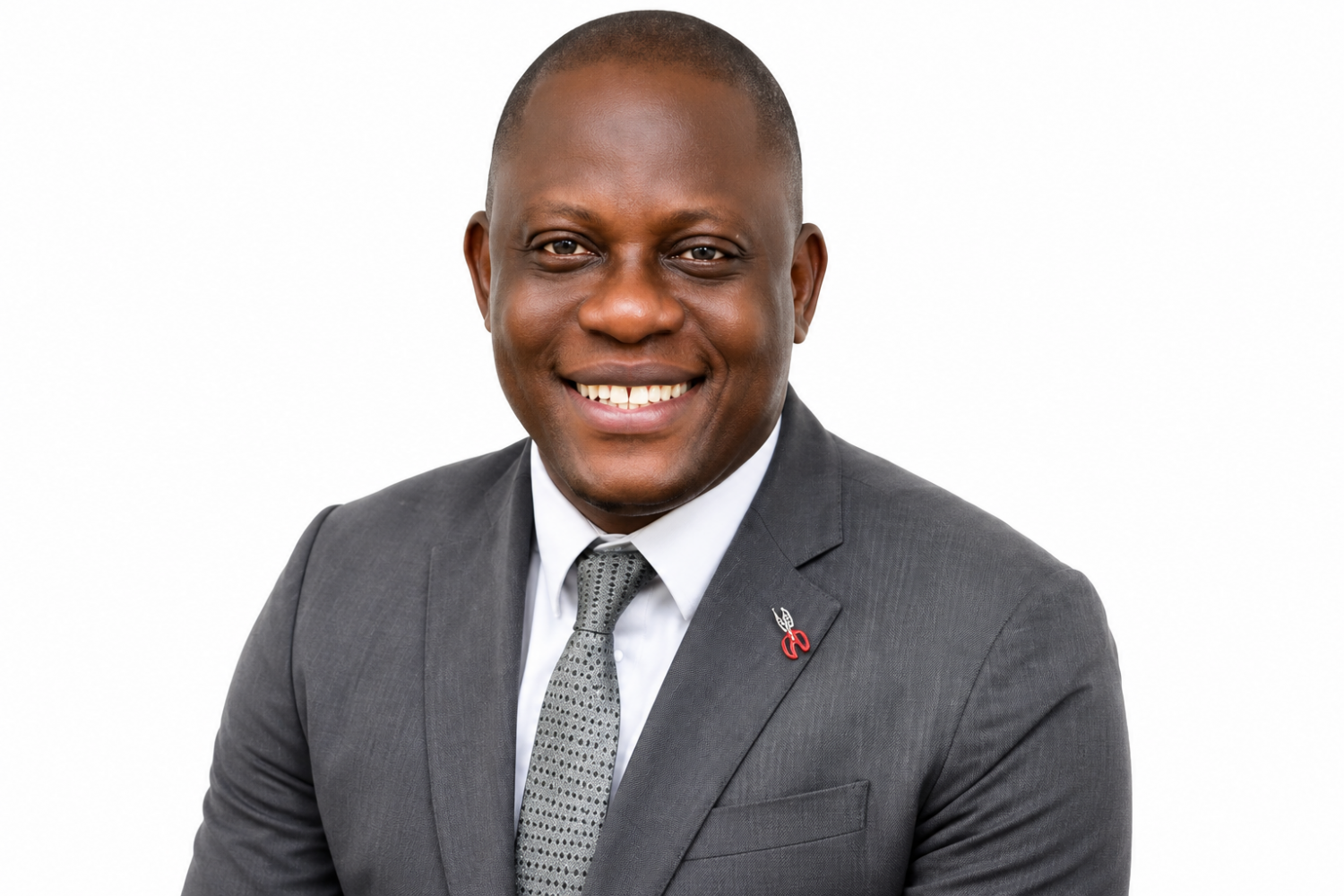
Ambassador Blessing Fubara has officially joined the Rivers governorship race under the platform of the Nigerian Democratic Congress (NDC), pledging to serve only one term if elected governor of Rivers State.

The elder brother of Siminalayi Fubara made the declaration ahead of the NDC primaries, presenting himself as a candidate focused on restoring peace, economic growth, and political stability in Rivers State. According to Blessing Fubara, the state needs urgent leadership capable of rebuilding investor confidence and reviving its reputation as one of Nigeria’s strongest economic centers.

Speaking during his declaration, Blessing Fubara said the Rivers governorship election offers an opportunity for citizens to reclaim the state’s “lost glory.” He described himself as a “ready, competent, and energetic” leader prepared to reposition Rivers State for progress and development.

The governorship aspirant expressed concern over what he described as the declining economic condition in Rivers State. He stated that many residents have suffered from reduced opportunities, weakened investments, and growing political uncertainty. He added that the Rivers governorship race should not only be about politics but also about rebuilding the state’s economy and public confidence.

Blessing Fubara called on residents across political parties, ethnic groups, and communities to unite for the future of Rivers State. According to him, collective participation in the NDC primaries and the broader electoral process would help restore the state’s position as the “treasure base of the nation.”

“Today, we see a Rivers State that is distressed. Today, we see a Rivers State that is shortchanged. Today, we see a Rivers State that is almost seeming like a conquered state. No. We are not conquered people,” the governorship hopeful stated while addressing supporters.

The Rivers governorship aspirant also appealed to supporters across the 23 local government areas of the state to actively participate in the ongoing NDC primaries. He claimed to enjoy strong grassroots backing from millions of party members across Rivers State.

A major highlight of his declaration was his promise to serve only a single four-year term if elected during the Rivers governorship election. Blessing Fubara explained that the decision was necessary to preserve the state’s existing senatorial rotation system and maintain political balance.

According to the governorship candidate, allowing the Rivers Southeast Senatorial District to complete its expected eight-year leadership cycle would help strengthen fairness, peace, and stability within the state’s political structure.

“It will set a wrong and dangerous precedent if we alter the senatorial rotation of leadership and governance in Rivers State,” Blessing Fubara said.

The NDC governorship hopeful further promised that his administration would prioritize peacebuilding, economic investment, infrastructure development, and job creation if elected governor. He emphasized that restoring confidence among investors and residents would remain central to his agenda.

The NDC primaries are currently taking place nationwide as political parties prepare for the next round of governorship elections across Nigeria.

Related Stories

Continue Reading
Click to comment

Leave a Reply

Your email address will not be published. Required fields are marked *

Politics

MFM Suspends Overnight Vigils Over Security Fears

Published

on

The Mountain of Fire and Miracles Ministries (MFM) has announced the suspension of all overnight vigils nationwide, citing the worsening security situation in Nigeria. The church has also directed that all services, meetings, and programmes across its branches must end by 8:00 p.m. until further notice.

The decision underscores growing concerns about insecurity in Nigeria, which has increasingly affected religious gatherings, community events, schools, and businesses across various parts of the country.

MFM Introduces New Worship Guidelines

According to an official circular issued by Mountain of Fire and Miracles Ministries, all church activities at every level of the ministry must conclude no later than 8:00 p.m.

The directive, which took immediate effect, was communicated to Regional Overseers, branch pastors, and ministry leaders nationwide. The new policy affects all branches, zones, and regions under the MFM church network.

Under the revised guidelines, any programme that would traditionally extend into the night must now be adjusted to fit within the approved timeframe. This means that regular church services, special meetings, and other ministry activities must comply with the new closing time.

For more information about the ministry, readers can visit the official Mountain of Fire and Miracles Ministries Website.

Overnight Vigils Suspended Indefinitely

One of the most significant changes announced by the church is the indefinite suspension of all MFM overnight vigils and late-night prayer meetings.

Overnight vigils have long been a central part of worship within many Pentecostal churches in Nigeria, including MFM. These gatherings often involve extended periods of prayer, worship, and spiritual activities that continue through the night.

However, in response to rising security concerns in Nigeria, church leadership has decided that such programmes should be temporarily halted. Where prayer meetings remain necessary, congregations have been instructed to convert them into evening sessions that conclude on or before 8:00 p.m.

The decision reflects a growing trend among institutions adopting precautionary measures to ensure public safety amid ongoing security challenges.

Church Explains Reason for Decision

The circular was signed by Temitope A. Olawale, Director of Administration for MFM International Headquarters and Nigeria.

According to the statement, the suspension of overnight vigils is purely a preventive measure designed to protect members and church workers from potential security risks.

Church leaders emphasized that the directive was not motivated by doctrinal changes but by the need to prioritize the safety and well-being of worshippers.

The statement noted that the decision was taken in light of the prevailing security situation in Nigeria, which continues to generate concern among religious organizations and community leaders.

Updates on national security matters can be accessed through the Nigeria Police Force Official Website.

Implementation Across All Branches

The new MFM security directive applies to all church branches nationwide. Regional leaders have been instructed to ensure immediate implementation and strict compliance within their jurisdictions.

The ministry specifically directed Mega Regional Overseers to monitor adherence to the guidelines and ensure that local branches fully comply with the new operational schedule.

Copies of the circular were distributed to key leadership offices and ministry departments, including administrative units, youth ministries, women’s ministries, and other church organizations.

This broad distribution highlights the seriousness with which the church is approaching the issue of worship safety in Nigeria.

Growing Concerns About Insecurity in Nigeria

The decision by Mountain of Fire and Miracles Ministries comes amid increasing concerns about insecurity in Nigeria, including incidents of kidnapping, armed attacks, and violence affecting communities in different parts of the country.

Religious organizations have not been immune to these challenges. Many churches and faith-based groups have reviewed their security procedures in recent years to better protect worshippers attending services and special events.

By limiting activities to daylight and early evening hours, MFM hopes to reduce exposure to potential risks while allowing members to continue participating in church programmes safely.

Balancing Worship and Safety

While the suspension of MFM overnight vigils may disappoint some members who value late-night prayer gatherings, church leaders maintain that protecting lives must remain the priority.

The ministry expressed confidence that members would cooperate with the directive and continue participating in adjusted worship schedules. It also encouraged believers to remain prayerful while observing the new guidelines.

As concerns over security challenges in Nigeria continue, the decision by MFM highlights how religious institutions are adapting their operations to safeguard congregants without disrupting their core mission of worship and spiritual development.

Continue Reading

Politics

Peter Obi Blasts Tinubu’s Forest Guard Plan Over Oyo Insecurity

Published

on

The debate over Nigeria’s insecurity crisis has intensified after former presidential candidate Peter Obi criticized President Bola Ahmed Tinubu for approving the recruitment of 1,000 forest guards in Oyo State. Obi described the move as a reactive response to a growing national security challenge, arguing that Nigeria needs a comprehensive strategy rather than isolated interventions.

The criticism comes amid increasing concerns over kidnappings in Oyo State, attacks on communities, and the broader security challenges in Nigeria, which continue to affect several regions of the country.

Tinubu Approves Recruitment of 1,000 Forest Guards

President Bola Tinubu recently approved the recruitment of 1,000 forest guards for Oyo State following a series of disturbing security incidents, including the abduction of schoolchildren and teachers in Oriire Local Government Area.

The decision was aimed at strengthening local security operations and improving surveillance in forests and rural communities often used by criminal groups. The move follows growing calls for stronger action against kidnappers and armed gangs operating across parts of Oyo State.

For more information on federal government policies and security initiatives, visit the Federal Government of Nigeria Portal.

Peter Obi Calls the Move ‘Reactive’

Reacting through a statement shared on his social media platform, Peter Obi argued that the recruitment plan reflects what he described as a pattern of reactive governance.

According to Obi, addressing Nigeria’s insecurity crisis requires careful planning, coordination, and long-term implementation rather than emergency measures taken after major incidents occur. He suggested that the decision mirrors previous economic policies that he believes were introduced without adequate preparation.

The former Labour Party presidential candidate emphasized that while increasing security personnel is important, such measures should be part of a broader national security framework.

Readers can learn more about security governance through the National Security Adviser Office Nigeria.

Rising Insecurity Across Nigeria

A central point in Peter Obi’s criticism is that insecurity is no longer limited to a few states. He noted that several parts of the country continue to experience kidnappings, banditry, terrorism, communal violence, and other security threats.

States frequently highlighted in discussions about Nigeria insecurity include:

  • Oyo State
  • Plateau State
  • Kwara State
  • Kogi State
  • Borno State
  • Katsina State
  • Anambra State
  • Niger State
  • Imo State
  • Sokoto State

Obi questioned whether the federal government intends to approve similar recruitment programs in every state or whether the current intervention is unique to Oyo.

This concern has fueled discussions about consistency and fairness in the federal response to security challenges in Nigeria.

Questions Over the Future of Amotekun

Another issue raised by Peter Obi concerns the role of the regional security outfit known as Western Nigeria Security Network (Amotekun Corps).

Established to support local security efforts across the South-West, Amotekun Corps has become an important part of community-based policing and intelligence gathering. Obi questioned how the newly approved forest guards in Oyo State would operate alongside Amotekun and whether the two security structures would complement or duplicate each other’s responsibilities.

Security analysts have long argued that effective collaboration between federal and state-level security agencies is essential for tackling criminal activities in rural communities and forested areas.

More information about community policing initiatives can be found through the Nigeria Police Force Official Website.

Linking Security Challenges to Leadership

In his statement, Peter Obi connected the country’s growing insecurity to what he described as broader leadership failures. According to him, the inability to effectively address economic challenges, youth unemployment, and social development contributes to the rise in criminal activities.

He argued that solving Nigeria’s insecurity crisis requires more than deploying additional personnel. Instead, it demands improvements in governance, economic opportunities, education, industrialization, and national unity.

Many policy experts share the view that sustainable security depends not only on military and law enforcement responses but also on addressing the root causes of instability, including poverty and unemployment.

A Call for a Holistic Security Strategy

The core message of Peter Obi’s criticism of Tinubu’s forest guard recruitment is the need for a holistic national security strategy.

According to Obi, Nigeria requires a coordinated approach that combines security operations with economic growth, job creation, agricultural development, and stronger institutions. He believes that focusing on one state or one incident at a time will not adequately address the scale of the country’s challenges.

Supporters of the government, however, argue that immediate action is necessary when communities face urgent threats and that recruiting additional forest guards in Oyo State demonstrates a willingness to respond to public concerns.

The Broader Security Debate Continues

As kidnappings and violent attacks remain a major concern across the country, the debate over the effectiveness of Nigeria’s current security policies is likely to continue. The disagreement between Peter Obi and President Bola Tinubu highlights differing views on how best to tackle one of the nation’s most pressing issues.

Whether through increased recruitment, stronger local security networks, or broader economic reforms, Nigerians continue to look for lasting solutions to the country’s persistent insecurity challenges.

Continue Reading

Politics

Trump Confirms NATO Summit Trip as Alliance Tensions Rise

Published

on

The upcoming NATO leaders’ summit in Turkey has taken on added geopolitical significance after confirmation that U.S. President Donald Trump will attend, easing concerns among European allies amid rising uncertainty over the future of the NATO alliance and U.S. commitment to European security.

The announcement comes at a time of heightened tension within the Transatlantic security partnership, as disagreements over defense spending, military engagement, and global conflicts continue to test relations between Washington and its European partners.

Trump’s Attendance Calms NATO Concerns

Confirmation of Donald Trump’s participation in the NATO summit has been welcomed by European officials who had grown increasingly anxious about the United States’ long-term commitment to the alliance.

The summit, set to take place in Turkey, is expected to focus heavily on defense strategy, burden-sharing, and the evolving security challenges facing the NATO alliance in a rapidly changing global environment.

Trump’s relationship with NATO has often been contentious, with repeated criticism of member states for what he describes as insufficient defense spending contributions. His earlier threats to reconsider or withdraw U.S. involvement had raised concerns about the stability of the Transatlantic security framework.

More information about the alliance can be found on the official NATO Official Website.

Strains Within the Transatlantic Alliance

Despite the confirmed attendance, tensions within the NATO alliance remain high. Washington has increasingly expressed frustration over the level of involvement by European members in global security conflicts, particularly in relation to recent military escalations involving Iran.

At the same time, European officials have voiced concern over shifting U.S. defense priorities, especially as discussions continue around the potential reduction of American troop presence in Europe.

A former NATO secretary general warned that managing Transatlantic relations has become significantly more difficult, reflecting growing divisions over strategic priorities and long-term defense commitments within the alliance.

Learn more about NATO’s structure and mission through the NATO Structure Overview.

US Military Presence in Europe Under Review

One of the most sensitive issues shaping the current NATO alliance tensions is the reported consideration by Washington to reduce its military footprint in Europe.

According to discussions within defense circles, the United States has been exploring plans to accelerate the withdrawal of some troops from European bases. Such a move would mark a significant shift in the Transatlantic security balance, which has historically relied on strong U.S. military presence across Europe.

European allies fear that a reduced American presence could weaken NATO’s deterrence capability, particularly in response to emerging security threats from rival global powers.

For official U.S. defense information, visit the U.S. Department of Defense.

Nuclear Strategy Discussions Within NATO

Adding further complexity to the NATO alliance debate are reports that Washington has been discussing the potential deployment of nuclear weapons in additional NATO member states.

These discussions are reportedly aimed at reinforcing deterrence capabilities and ensuring that any reduction in conventional U.S. forces does not undermine broader security guarantees within the Transatlantic alliance.

While details remain limited, such a move would represent a significant escalation in NATO’s strategic posture and could reshape nuclear deterrence policies across Europe.

More on nuclear policy and global security frameworks can be found via the International Atomic Energy Agency (IAEA).

Iran Conflict Adds Pressure to NATO Relations

The ongoing geopolitical tensions surrounding Iran have further complicated NATO alliance dynamics, with disagreements emerging over how directly member states should be involved in potential conflict scenarios.

President Trump has previously criticized NATO members for reluctance to participate in military actions related to the Iran conflict, arguing that collective defense obligations should extend beyond Europe’s borders.

These differences highlight deeper divisions within the Transatlantic security alliance, particularly regarding the scope of NATO’s global responsibilities versus its traditional defensive role in Europe.

European Fears Over Alliance Stability

European officials continue to express concern about the long-term stability of the NATO alliance, especially as U.S. foreign policy priorities appear to shift toward domestic and regional interests.

The possibility of reduced American engagement in Europe has prompted discussions among European Union leaders about increasing defense spending and strengthening independent military capabilities.

However, building a fully autonomous European defense structure remains a complex and politically sensitive issue, as most member states still rely heavily on the Transatlantic security partnership for military coordination and strategic deterrence.

Learn more about European defense initiatives through the European Defence Agency.

Balancing Commitment and Strategic Independence

The current debate within the NATO alliance reflects a broader challenge: balancing shared defense commitments with evolving national interests among member states.

While the United States remains NATO’s most powerful military contributor, its fluctuating engagement has prompted allies to reconsider their own defense strategies and investment levels.

At the same time, Washington’s willingness to explore new strategic options, including troop adjustments and nuclear deployments, signals a shift toward a more flexible but potentially less predictable Transatlantic security framework.

What the NATO Summit Could Decide

The upcoming NATO summit in Turkey is expected to be a critical moment for the future of the NATO alliance. Leaders will likely address troop deployments, defense spending targets, nuclear strategy, and the broader direction of the Transatlantic security partnership.

With tensions already running high, the summit could either reinforce unity among member states or expose deeper divisions within the alliance.

President Trump’s participation ensures that these debates will take place at the highest political level, making the summit one of the most closely watched international gatherings of the year.

As global security challenges continue to evolve, the future of the NATO alliance will depend on how effectively its members can adapt to shifting geopolitical realities while maintaining collective defense commitments.

Continue Reading

Trending

Copyright © 2026 THE PAGEMANN MAGAZINE.