Connect with us

Business

Climate Change Threatens South Korea’s Beekeepers

Published

on

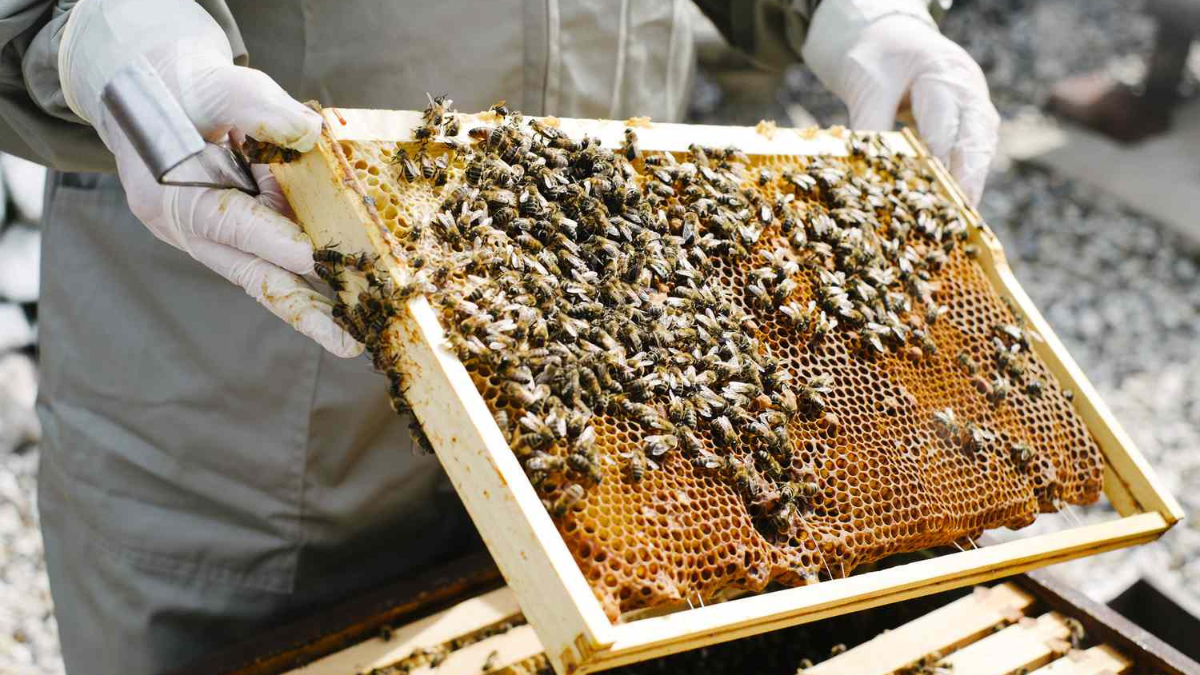
For nearly five decades, South Korean beekeeper Park Gyeong-je has built his life around caring for millions of bees. What began as a passion for nature has evolved into a growing struggle against climate change, as shifting weather patterns, declining bee populations, and changing flowering seasons threaten the future of beekeeping in South Korea.

Today, Park’s story reflects a wider global concern: the impact of climate change on bees, food production, and ecosystems that depend on pollinators for survival.

A Lifetime in Beekeeping Faces New Challenges

Park Gyeong-je, 65, operates a large beekeeping farm in Sancheong County, located in southern South Korea. Since starting with just eight beehives in 1979, he has expanded his operation to approximately 110 hives housing an estimated 8.8 million bees.

Unlike many farmers, Park practices migratory beekeeping, transporting his hives across different regions of South Korea to follow seasonal flower blooms. This strategy has traditionally allowed his bees to access fresh nectar sources throughout the year and maximize honey production.

However, the growing effects of climate change are making this way of life increasingly difficult. Rising temperatures are altering the natural rhythm of the seasons, causing flowers to bloom earlier than usual and reducing the duration of blooming periods. As a result, bees have less time to collect nectar, directly affecting honey yields and colony health.

For more information about climate science and global warming, readers can visit the United Nations Climate Change Portal.

How Climate Change Is Affecting Bees

The impact of climate change on bees extends far beyond shorter flowering seasons. Beekeepers across the world are reporting unusual weather patterns, stronger winds, extended droughts, and unpredictable rainfall that disrupt bee behavior and survival.

According to Park, seasonal changes that were once clearly defined have become increasingly difficult to predict.

He notes that it now feels as though only summer and winter remain, while spring and autumn continue to shrink. These environmental shifts make it harder for bees to navigate and return safely to their hives.

Scientists have also observed that rising temperatures contribute to the spread of parasites, mites, and emerging diseases that weaken bee colonies. These threats, combined with habitat loss and changing weather conditions, have accelerated concerns about declining bee populations worldwide.

The official Food and Agriculture Organization of the United Nations (FAO) provides extensive resources on pollinators and sustainable agriculture.

Why Bees Matter to Global Food Security

The decline of bees is not only a concern for beekeeping in South Korea; it is a significant issue for global food systems.

Bees play a crucial role in pollination, helping many crops reproduce and produce fruit. Without healthy bee populations, the production of numerous foods could decline substantially.

Common crops that rely heavily on bee pollination include:

  • Apples
  • Strawberries
  • Tomatoes
  • Almonds
  • Blueberries
  • Cucumbers
  • Melons

Experts warn that a continued reduction in bee populations could have serious consequences for global agriculture and food security.

According to Professor Yeh Sang-Wook of Ewha Womans University, declining bee numbers threaten one of the most important foundations of natural ecosystems. He argues that pollinators serve as a critical component of biodiversity and agricultural sustainability.

Additional information about pollinator conservation can be found through the United States Environmental Protection Agency Pollinator Resources.

The Global Honey Industry Under Pressure

The effects of climate change on bees are also being felt throughout the global honey market.

According to international agricultural data, countries such as China, Turkey, and Argentina rank among the world’s leading honey producers. These nations depend heavily on healthy bee populations to sustain honey production and agricultural pollination.

Honey varieties differ depending on the flowers from which bees collect nectar. Environmental changes affecting flowering plants can therefore influence not only production volumes but also honey quality, flavor, and market value.

As climate conditions continue to evolve, honey producers around the world may face increasing uncertainty regarding harvest sizes and profitability.

Readers interested in global agricultural statistics can explore data from the World Bank Climate Change Resources.

South Korea’s Honey Industry Adapts

Most honey produced in South Korea comes from black locust trees, which create a mild, floral-flavored honey highly valued by consumers. Other varieties, including chestnut honey, offer richer and earthier flavors.

Despite growing environmental challenges, South Korean beekeepers continue searching for ways to adapt. Many are investing in better hive management practices, disease monitoring systems, and migration strategies to protect colonies from the worsening effects of climate change.

According to trade data, South Korea remains an active exporter of natural honey, supplying international markets despite ongoing environmental pressures.

An Uncertain Future for Beekeepers

For experienced farmers like Park Gyeong-je, the future of beekeeping in South Korea remains uncertain. While dedication, innovation, and adaptation can help mitigate some challenges, the larger threat posed by climate change continues to grow.

As temperatures rise and ecosystems change, beekeepers worldwide face increasing pressure to protect the pollinators that sustain both agriculture and biodiversity. Their struggle highlights a broader reality: the health of bee populations is closely connected to the future of global food production, environmental stability, and human well-being.

Keywords: Climate Change, Climate Change on Bees, Beekeeping in South Korea, Bee Population Decline, Pollinator Conservation, Honey Production, Global Food Security, South Korean Beekeepers, Environmental Sustainability, Bee Health.


Continue Reading
Click to comment

Leave a Reply

Your email address will not be published. Required fields are marked *

Business

How to Escape the Paycheck-to-Paycheck Cycle

Published

on

Living from one payday to the next can feel like running on a financial treadmill. No matter how hard you work, there never seems to be enough money left at the end of the month. The good news is that learning How to Escape the Paycheck-to-Paycheck Cycle is possible with the right strategy and financial discipline. By making a few intentional changes, you can start building savings, reducing stress, and creating long-term financial stability.

Understand Why You’re Stuck

The first step in How to Escape the Paycheck-to-Paycheck Cycle is understanding what’s causing it. For some people, the problem is low income. For others, it’s uncontrolled spending, debt, or a lack of budgeting. According to the Consumer Financial Protection Bureau (CFPB), tracking your income and expenses is one of the most effective ways to gain control over your finances.

Take a close look at your bank statements and spending habits. You may discover recurring expenses or impulse purchases that are quietly draining your income every month.

Create a Realistic Budget

A key part of How to Escape the Paycheck-to-Paycheck Cycle is creating a budget that reflects your actual lifestyle. Start by listing your monthly income and fixed expenses such as rent, transportation, utilities, and food.

The popular 50/30/20 budgeting rule can help:

  • 50% for necessities
  • 30% for wants
  • 20% for savings and debt repayment

Financial education resources from Investopedia provide useful budgeting frameworks that can help you stay on track.

Build an Emergency Fund

One of the biggest obstacles to How to Escape the Paycheck-to-Paycheck Cycle is unexpected expenses. A car repair, medical bill, or home emergency can instantly disrupt your finances if you don’t have savings.

Start small by setting aside a portion of every paycheck. Even saving a modest amount consistently can help create a financial cushion. The goal is to eventually build an emergency fund capable of covering three to six months of essential expenses.

Eliminate High-Interest Debt

Credit card balances and high-interest loans can make How to Escape the Paycheck-to-Paycheck Cycle much more difficult. A large portion of your income may be going toward interest payments rather than improving your financial position.

Focus on paying off the most expensive debt first while continuing to make minimum payments on other obligations. Information from the Federal Trade Commission (FTC) offers guidance on debt management and avoiding financial traps.

Increase Your Income

Sometimes budgeting alone isn’t enough. A powerful strategy for How to Escape the Paycheck-to-Paycheck Cycle is increasing your earning potential. Consider:

  • Freelancing
  • Consulting
  • Online businesses
  • Part-time work
  • Selling digital products
  • Learning high-income skills

Additional income streams can accelerate debt repayment, boost savings, and provide greater financial flexibility.

Automate Savings and Bills

Automation is one of the simplest tools for How to Escape the Paycheck-to-Paycheck Cycle. Set up automatic transfers to your savings account each payday before you have the chance to spend the money.

Likewise, automating bill payments can help you avoid late fees and maintain a better financial routine. Small automated habits often lead to significant financial improvements over time.

Avoid Lifestyle Inflation

As your income grows, it can be tempting to upgrade your lifestyle immediately. However, resisting lifestyle inflation is essential when learning How to Escape the Paycheck-to-Paycheck Cycle.

Instead of increasing spending every time you receive a raise or bonus, direct a portion of that extra income toward savings, investments, or debt reduction. This strategy helps you build wealth rather than simply increasing expenses.

Focus on Long-Term Financial Goals

The final step in How to Escape the Paycheck-to-Paycheck Cycle is creating clear financial goals. Whether you want to buy a home, start a business, invest for retirement, or build generational wealth, having a target keeps you motivated.

Resources from MyMoney.gov can help you develop financial plans and improve money management skills.

Final Thoughts

Learning How to Escape the Paycheck-to-Paycheck Cycle doesn’t happen overnight, but every small step matters. By creating a budget, reducing debt, building savings, increasing income, and avoiding unnecessary spending, you can gradually gain control over your finances.

The journey to financial freedom begins with consistent action. If you stay committed to the principles of How to Escape the Paycheck-to-Paycheck Cycle, you’ll be well on your way to greater financial security, less stress, and a brighter future.

Continue Reading

Business

How to Create a Monthly Budget with Income: A Simple Guide to Financial Success

Published

on

Managing your money effectively starts with understanding How to Create a Monthly Budget with Income. Whether you’re earning a fixed salary, running a business, or working freelance, having a clear budget helps you stay in control of your finances, reduce stress, and achieve your financial goals. Learning How to Create a Monthly Budget with Income can help you make smarter decisions and avoid living paycheck to paycheck.

Why How to Create a Monthly Budget with Income Matters

One of the biggest reasons people struggle financially is the lack of a spending plan. Understanding How to Create a Monthly Budget with Income allows you to see exactly where your money is coming from and where it is going. According to the Consumer Financial Protection Bureau, budgeting is one of the most effective ways to improve financial health and prepare for unexpected expenses.

When you know How to Create a Monthly Budget with Income, you gain greater control over your spending habits, savings goals, and debt management. A well-planned budget can help you build wealth over time while reducing financial anxiety.

Calculate Your Total Monthly Income

The first step in How to Create a Monthly Budget with Income is determining your total monthly earnings. Include all sources of income such as:

  • Salary or wages
  • Freelance earnings
  • Business income
  • Rental income
  • Side hustles
  • Investment income

If your income fluctuates monthly, use the average amount earned over the last six months. The Internal Revenue Service (IRS) recommends keeping accurate records of all income sources for effective financial planning and tax reporting.

List All Monthly Expenses

A key part of How to Create a Monthly Budget with Income is identifying your expenses. Divide them into fixed and variable categories.

Fixed Expenses

  • Rent or mortgage
  • Insurance
  • Loan payments
  • Internet and subscriptions

Variable Expenses

  • Food and groceries
  • Transportation
  • Entertainment
  • Shopping
  • Utilities

Tracking expenses helps you identify unnecessary spending and create opportunities to save more money. Understanding How to Create a Monthly Budget with Income means knowing exactly where every dollar goes.

Use the 50/30/20 Budget Rule

Many financial experts recommend the 50/30/20 rule when learning How to Create a Monthly Budget with Income.

  • 50% for necessities
  • 30% for wants
  • 20% for savings and debt repayment

This budgeting method provides a simple framework for managing money without becoming overly restrictive. Resources from Investopedia offer additional insights into implementing this popular budgeting strategy.

Prioritize Savings First

An important principle of How to Create a Monthly Budget with Income is paying yourself first. Before spending on non-essential items, set aside money for:

  • Emergency funds
  • Retirement savings
  • Investments
  • Major future purchases

Financial experts generally recommend building an emergency fund that can cover three to six months of living expenses. Consistent saving is one of the fastest ways to improve long-term financial stability.

Monitor and Adjust Your Budget

Creating a budget is not a one-time task. To truly master How to Create a Monthly Budget with Income, review your budget regularly. Track spending weekly and compare it to your budget goals.

If you notice overspending in certain categories, make adjustments for the following month. Budgeting tools offered by organizations such as Federal Reserve Bank of St. Louis – Econ Lowdown can help improve financial literacy and money management skills.

Use Budgeting Apps and Tools

Technology makes How to Create a Monthly Budget with Income easier than ever. Popular budgeting apps can automatically track spending, categorize transactions, and provide financial insights. These tools help you stay accountable and ensure your budget remains accurate throughout the month.

Many people find that digital budgeting reduces errors and makes financial planning more convenient.

Final Thoughts

Learning How to Create a Monthly Budget with Income is one of the most important financial skills you can develop. By calculating your income, tracking expenses, following a budgeting framework, prioritizing savings, and reviewing your finances regularly, you can take control of your money and build a more secure future.

The key to success with How to Create a Monthly Budget with Income is consistency. Even small budgeting improvements can lead to significant financial progress over time, helping you achieve both short-term and long-term financial goals.

Continue Reading

Business

Dangote Plans Massive Industrial Free Trade Zone in Ondo

Published

on

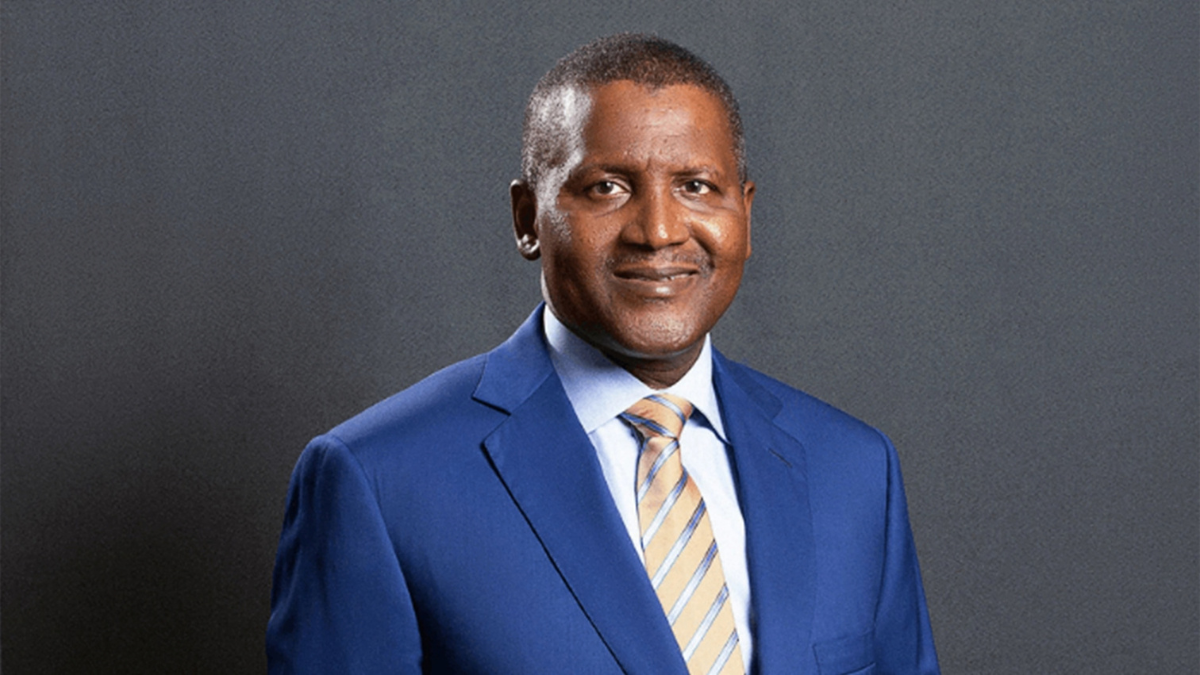
The President of Dangote Group, Aliko Dangote, has announced plans to build what could become Nigeria’s largest industrial-focused free trade zone in Olokola, Ondo State. The proposed project aims to create a fully serviced manufacturing hub where investors can operate with access to reliable power, water, gas infrastructure, and logistics support.

Key Features of the Olokola Project

Dedicated power supply The zone will include its own power generation facilities to reduce dependence on Nigeria’s unreliable national grid.

Manufacturing-focused infrastructure

Roads, water systems, and industrial facilities are planned to allow businesses to “plug in” quickly.

Gas infrastructure integration
 
An east-west gas corridor is expected to support energy-intensive industries within the zone.
 
Government participation

The Ondo State government is expected to have representation on the project’s board to facilitate coordination and implementation.

Why the Project Matters

Dangote described Nigeria’s power shortage as one of the biggest barriers to industrial growth over the past three decades. Many manufacturers currently generate their own electricity, which raises production costs and limits expansion.

By embedding reliable power and infrastructure directly into the free trade zone, the project seeks to remove common business bottlenecks and attract local and foreign manufacturers.

Expected Economic Impact

Job creation

Large-scale employment opportunities are expected during construction and operation.

Industrial expansion

The zone is designed to attract manufacturers and related businesses.

Export growth

Officials expect increased exports similar to outcomes from major industrial projects in Lagos.

Regional development

Ondo State and neighboring areas could benefit from increased economic activity.

Ondo State’s Role

Governor Lucky Aiyedatiwa welcomed the initiative and said it aligns with the state’s industrialization agenda. He highlighted Ondo’s strategic location along the Lagos–Calabar Coastal Highway corridor, as well as the state’s deep seaport license and limestone deposits, which could support future industrial projects such as cement production.

The state government has also established a technical committee to work with Dangote Group on legal, land, community, and operational issues.

Project Timeline

According to Dangote, contractors are expected to mobilize to the site within three to four months, with major construction targeted to begin in the last quarter of the year.

Quick Self-Check Quiz
  1. What is the main purpose of the Olokola free trade zone project?

  2. Which major infrastructure challenge did Dangote identify as a barrier to industrial growth in Nigeria?

  3. What additional energy infrastructure is planned to support industries in the zone?

  4. Why does Ondo State consider the project strategically important?

Answers

  1. To create a fully serviced industrial and manufacturing hub that attracts investors.

  2. Unreliable electricity supply.

  3. An east-west gas corridor.

  4. Because it supports the state’s industrialization agenda and leverages its strategic location and seaport advantages.

Continue Reading

Trending

Copyright © 2026 THE PAGEMANN MAGAZINE.