Entertainment
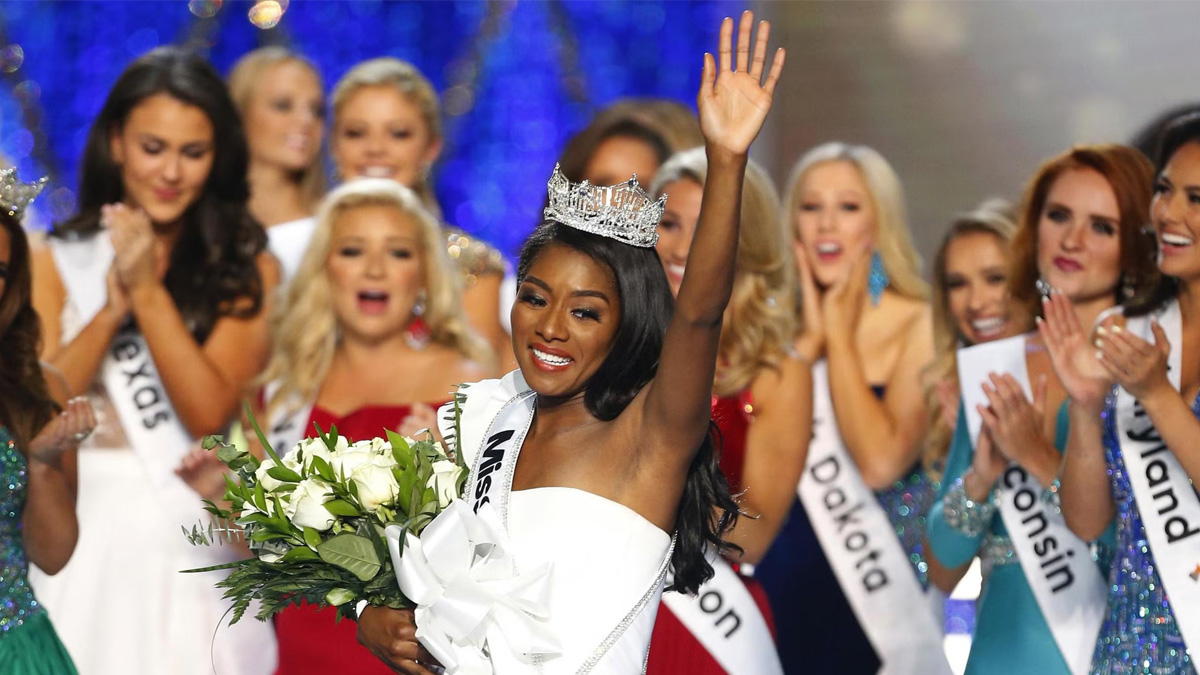
First Time Black Women Won All Three Biggest US Pageants
Published
3 months agoon
For decades, the standard of global glamour was strictly defined by a very narrow set of rules. The mainstream image of a beauty queen was firmly rooted in Eurocentric ideals, leaving little room for variance in skin tone, hair texture, or cultural heritage. However, the world witnessed an unforgettable cultural earthquake that shattered those old frameworks forever. For the very first time in history, the crowns for the three most prestigious pageants in the United States were held simultaneously by Black women.
This historic trifecta was achieved when the titles of Miss America, Miss Teen USA, and Miss USA were all claimed by women of color in the same cycle. It was not merely a clean sweep of sparkly crowns; it was a massive, undeniable statement about the evolution of diversity and empowerment in modern society. To fully appreciate the weight of this achievement, one must understand the steep barriers these women had to dismantle to reach the summit.
Breaking Down a Century of Exclusion
The history of American pageantry is deeply complicated, often serving as a mirror for the racial struggles of the nation. When competitions like the iconic Miss America organization began in the early twentieth century, exclusion was officially written into the rulebook. In fact, a notorious rule stated that contestants must be of the white race, a restriction that explicitly barred minority women from even stepping onto the stage for many decades.
Even after official rules changed, systemic biases persisted, making victories for Black women incredibly rare and hard fought. The breakthrough began in the late twentieth century with legendary pioneers like Vanessa Williams, but a simultaneous victory across all major organizations remained an elusive dream. That dream finally turned into reality through an incredible alignment of talent, intellect, and authenticity.
The monumental shift did not go unnoticed by cultural scholars. Highlighting the deep societal impact of this milestone, AP News featured commentary from Thomas DeFrantz, a distinguished professor in the Department of African and African American Studies at Duke University.
He observed how the wins challenged and redefined traditional aesthetics:
The three young women who have focused their energy on demonstrating how standards of black beauty speak for American standards of beauty are to be commended. These three standard bearers prove that black beauty is at the heart of a 21st-century American ideal.
The Royal Trio Who Made History
The historic moment unfolded sequentially, building up massive momentum with each successive coronation. The first piece of the puzzle fell into place when Nia Franklin was crowned Miss America. Representing New York, Franklin wowed the judges and the audience with her incredible operatic performance. Her victory was also historic for another reason, as she was the first Miss America to win the title after the organization famously eliminated the swimsuit portion of the competition, shifting the focus heavily onto substance, talent, and social impact initiatives.
Next came the youth division, where Kaliegh Garris secured the title of Miss Teen USA. Hailing from Connecticut, Garris brought an extra layer of cultural revolution to the stage by proudly wearing her natural, voluminous curls. Despite facing subtle pressures from onlookers to straighten her hair for the final night, she stood firm in her identity, sending a powerful message to millions of young girls watching around the world that their natural features are worthy of a crown.
The final, historic piece of the puzzle was cemented when Cheslie Kryst was crowned Miss USA. Representing North Carolina, Kryst was the ultimate personification of brains, beauty, and systemic drive. As a full-time civil litigation attorney holding both a law degree and an MBA, she used her platform to advocate for criminal justice reform, providing pro bono legal work for unjustly sentenced prison inmates.
Following her coronation, Kryst captured the collective energy of the historic moment perfectly. Reflecting on the shifting cultural landscape, CBS News recorded her powerful words regarding her generation’s role in driving progressive change: Mine is the first generation to have that forward-looking mindset that has inclusivity, diversity, strength, and empowered women. I am looking forward to continued progress in my generation.
Beyond the Stage and Into the Future
The collective victory of these three phenomenal women reverberated far beyond the walls of the auditorium. For decades, young Black girls growing up across America rarely saw their skin tones or hair textures reflected in mainstream symbols of celebration. By occupying the three highest thrones of pageantry at the exact same time, these women provided a new generation with an unprecedented sense of visibility and validation.
Furthermore, this clean sweep completely redefined what it means to be a pageant titleholder. None of these winners fit the outdated stereotype of a passive, one-dimensional beauty queen. They were artists, future healthcare workers, and practicing lawyers. They utilized their platforms to discuss heavy societal topics, including arts advocacy, criminal justice reform, and natural hair acceptance in professional spaces.
This historic moment also triggered a beautiful domino effect on the international stage. Shortly after the American trifecta was completed, Black women also went on to win major global titles, including Miss Universe and Miss World. The conversation shifted from whether diverse beauty could be recognized to an absolute celebration of its global dominance.
A Lasting Cultural Legacy
True progress is never accidental; it is the result of decades of resilience, courage, and unapologetic authenticity. The historic moment when Black women held all three major crowns serves as a beautiful reminder of how far the culture has traveled. It proved that diversity is not a passing trend or a box to be checked, but a permanent standard of excellence.
Today, the impact of that historic year continues to inspire young leaders across various industries. The crowns may be passed down to new winners each season, but the glass ceiling that was shattered by this iconic trio remains broken forever. They proved to the entire world that when space is truly cleared for everyone to compete fairly, excellence knows absolutely no boundaries.
You may like
Entertainment
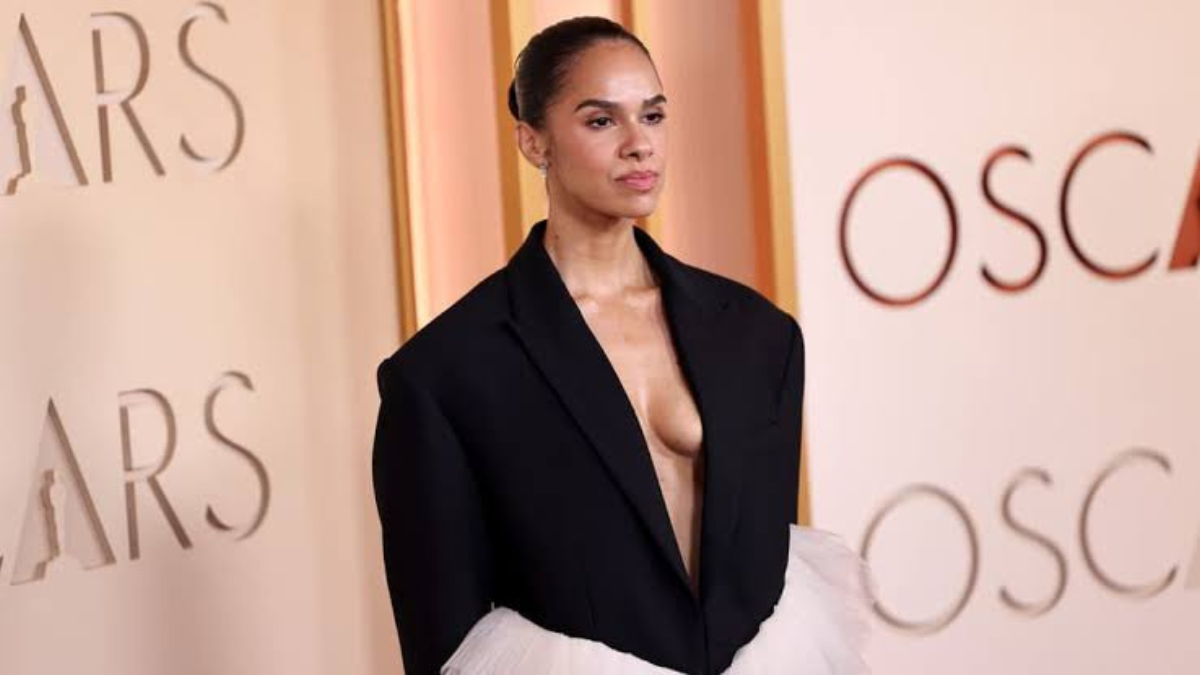
Rising From the Ashes: How Misty Copeland Danced Through Broken Bones for ‘Firebird’
Published
2 months agoon
June 27, 2026
The world of classical dance is famously brutal, but few stories capture the raw grit behind the glamour quite like Misty Copeland’s 2012 breakthrough. Taking the stage at New York’s Metropolitan Opera House, she delivered a historic performance in American Ballet Theatre’s production of The Firebird.
What the audience didn’t see beneath the fiery red costume was an excruciating physical battle. The trailblazing Misty Copeland Firebird performance was fueled by pure determination, executed while the dancer was secretly harboring six career-threatening stress fractures in her tibia.
For a 29-year-old rising star, the stakes were far higher than a single production. As the only Black woman in a company of 80 dancers, she carried the immense weight of representation on her shoulders.
She hid the severe leg injuries from management out of intense fear that the historic Misty Copeland Firebird opportunity would be stripped away from her permanently. Knowing the unforgiving patterns of elite ballet, she worked quietly with an outside medical team to manage the pain, choosing to risk her body rather than lose a rare moment of cultural visibility.
The gamble ultimately reshaped the trajectory of classical dance. The triumphant Misty Copeland Firebird showcase captivated a diverse audience, proving that a Black ballerina could masterfully lead a major classical production.
Though the severe injury required a compression plate and screws to heal afterward, the performance cemented her legendary status. It served as a vital stepping stone to her historic 2015 promotion as the company’s first African-American female principal dancer, a milestone documented extensively by the American Ballet Theatre.
Reflecting on her career following her retirement from the stage, Copeland emphasizes that resilience isn’t about being unbreakable, but rather about moving through pain with a clear purpose.
The legacy of that agonizing yet beautiful Misty Copeland Firebird night continues to inspire standard athletic and creative movements worldwide. For a deeper look into her extraordinary career transitions, advocacy work, and ongoing community programs, you can explore updates via the official Misty Copeland Foundation.
Career Milestones Timeline
Begins her formal ballet studies at the late age of 13 at a local Boys & Girls Club in San Pedro, California.
Becomes a member of the American Ballet Theatre’s corps de ballet, navigating intense racial isolation.
Performs the title role in The Firebird, dancing through six severe stress fractures to achieve critical acclaim.
Promoted to principal dancer, becoming the first Black woman to hold the position in ABT’s 75-year history.
Officially retires from the American Ballet Theatre after 25 years, pivoting fully to philanthropy and mentorship.
Beyond her historic performances on stage, Misty Copeland has established a prolific writing career, authored across multiple genres including memoir, children’s literature, and wellness. Her written works explore themes of perseverance, representation, and mentorship.
1. Memoirs & Biographical Works
“Life in Motion: An Unlikely Ballerina” (2014)
Co-written with journalist Charisse Jones, this New York Times bestselling memoir chronicles Copeland’s unconventional path to elite classical dance. It details her late start in ballet at age 13, navigating a highly competitive field, and the personal and structural barriers she overcame to rise through the ranks at the American Ballet Theatre (ABT). A young readers’ edition and a guided journal companion (Your Life in Motion) were also released.
“The Wind at My Back: Resilience, Grace, and Other Gifts from My Mentor, Raven Wilkinson” (2022)
This book serves as an emotional tribute to her late friend and mentor, Raven Wilkinson—a pioneering Black ballerina who danced with the Ballet Russe de Monte Carlo in the 1950s. Copeland explores how Wilkinson’s guidance and shared experiences helped her navigate racial isolation and the immense pressures of being a trailblazer in classical ballet.
2. Children’s & Youth Literature
“Firebird” (2014)
Collaborating with award-winning illustrator Christopher Myers, Copeland’s debut picture book centers on a young, aspiring dancer who feels plagued by self-doubt. Using poetic language and vibrant imagery, Copeland serves as a mentor figure within the narrative, encouraging the young girl to realize that through hard work and dedication, she too can soar like the “Firebird.“
“Bunheads” (2020) & “Bunheads, Act 2: The Dance of Courage”
An illustrated children’s series inspired by Copeland’s own childhood introduction to ballet. The stories follow a young girl named Misty as she auditions for roles, conquers performance anxiety, discovers the value of teamwork, and builds meaningful friendships inside the dance studio.
“Black Ballerinas: My Journey to Our Legacy” (2021)
A beautifully illustrated non-fiction anthology aimed at young audiences. Copeland profiles both historical and contemporary Black dancers who shaped the world of classical ballet, preserving their legacies and highlighting their contributions to the art form.
“Letters to Misty: How to Move Through Life with Confidence and Grace”
A youth-targeted book written in collaboration with Nikki Shannon Smith, designed to offer inspirational advice, confidence-building strategies, and mentorship directly to young readers facing life’s hurdles.
3. Wellness & Lifestyle
“Ballerina Body: Dancing and Eating Your Way to a Leaner, Stronger, and More Graceful You” (2017)
Shifting toward health and lifestyle, this book details Copeland’s personal approach to physical wellness, mental stamina, and nutrition. Rather than encouraging restrictive habits, it focuses on building a strong, resilient body through sustainable movement, targeted exercises, and mindful eating.
The Misty Copeland Firebird performance is remembered not simply because it was technically extraordinary, but because it embodied resilience, courage, and the determination to rise above adversity. Dancing through physical pain while carrying the weight of historic expectations is no small feat, yet Copeland transformed that challenge into one of ballet’s defining moments.
Her journey reminds us that greatness is rarely achieved without sacrifice. By breaking barriers at the American Ballet Theatre, inspiring future generations, and demonstrating unwavering commitment to her craft, Misty Copeland has secured her place as one of the most influential figures in modern ballet. Her story continues to encourage people everywhere to pursue excellence, embrace perseverance, and believe that history can be rewritten through talent, dedication, and courage.
Entertainment
Mystikal Sentenced to 20 Years in Prison for Rape
Published
2 months agoon
June 17, 2026
Grammy-nominated rapper Mystikal has been sentenced to 20 years in prison after pleading guilty to a reduced rape charge stemming from a 2022 case in Louisiana. The ruling marks another major legal setback for the artist, whose career has been overshadowed by repeated criminal allegations over the years. Mystikal sentenced to 20 years in prison for rape has quickly become one of the biggest entertainment headlines of 2026.
What Happened?
The rapper, whose real name is Michael Lawrence Tyler, appeared before a Louisiana court on June 16, 2026, where a judge imposed the maximum sentence allowed under his plea agreement. Earlier this year, Tyler pleaded guilty to third-degree rape after prosecutors agreed to reduce the original first-degree rape charge. The plea deal significantly lowered the potential punishment, as the original charge carried a mandatory life sentence if convicted. The case has placed the phrase Mystikal sentenced to 20 years in prison for rape at the center of discussions across the music industry and legal circles.
According to court reports, the case stemmed from an incident that occurred in 2022 at the rapper’s home in Prairieville, Louisiana. Authorities alleged that the victim was sexually assaulted and later sought medical treatment for injuries. Following an investigation, Tyler was arrested and remained in custody without bond while awaiting trial.
Victim Requested Maximum Sentence
During the sentencing hearing, the victim addressed the court and requested the harshest punishment possible. Reports indicate that she described the impact the assault had on her life and urged the judge to impose the maximum sentence allowed under the plea agreement. The judge ultimately granted that request, sentencing Tyler to 20 years behind bars. The development has fueled widespread coverage of Mystikal sentenced to 20 years in prison for rape across major news outlets.
Shortly before sentencing, Tyler attempted to withdraw his guilty plea. His legal team argued that he had been under emotional distress and did not fully understand the consequences of accepting the plea agreement. However, the court rejected the motion, allowing the sentencing process to move forward as scheduled.
A Career Marked by Legal Troubles
The story of Mystikal sentenced to 20 years in prison for rape is particularly significant because it is not the rapper’s first encounter with the criminal justice system. In 2003, Tyler pleaded guilty to sexual battery and extortion in a separate case involving his hairstylist. He was sentenced to six years in prison and later became a registered sex offender following his release.
Over the years, Tyler faced additional legal issues, including domestic violence allegations and a 2017 rape case that was ultimately dismissed. Despite several attempts at a musical comeback, his legal troubles continued to overshadow his career and public image.
Rise to Fame
Before the legal controversies, Mystikal was one of the most recognizable names in Southern hip-hop. He gained national attention in the late 1990s and early 2000s with hit songs and Grammy-nominated performances. His music helped establish him as a major figure in rap, earning widespread commercial success and a loyal fan base.
However, the latest chapter in his legal history has once again shifted attention away from his music. For many observers, the headline Mystikal sentenced to 20 years in prison for rape represents a dramatic fall from grace for an artist who once stood among the biggest names in hip-hop.
Public Reaction
News of the sentencing has generated strong reactions online, with many expressing support for the victim and discussing the broader issue of accountability in the entertainment industry. Others reflected on how legal troubles repeatedly interrupted what was once a promising and influential music career. Discussions surrounding Mystikal sentenced to 20 years in prison for rape have dominated social media and entertainment news platforms since the verdict was announced.
Final Thoughts
The sentencing of Mystikal closes a significant chapter in a case that began nearly four years ago. After pleading guilty to third-degree rape, the rapper received the maximum sentence allowed under the agreement, resulting in a 20-year prison term. As the story continues to attract attention worldwide, Mystikal sentenced to 20 years in prison for rape remains one of the most talked-about legal and entertainment stories of the year.
Entertainment
Anthony Head Dies at 72: Tributes Pour In for Buffy and Ted Lasso Star
Published
3 months agoon
June 6, 2026
The entertainment world is mourning the loss of Anthony Head, the acclaimed British actor best known for his memorable performances in Buffy the Vampire Slayer, Ted Lasso, Merlin, and numerous other television and stage productions. The beloved actor passed away at the age of 72, prompting an outpouring of tributes from co-stars, friends, and fans around the globe.
The death of Anthony Head marks the end of a remarkable career that spanned decades and left an enduring impact on television, theater, and popular culture. Known for his commanding screen presence, versatility, and warmth, Head became one of Britain’s most recognizable actors and earned admiration from audiences across generations.
Anthony Head’s Family Confirms His Passing
The family of Anthony Head announced that the actor died peacefully following complications related to pneumonia. According to a statement released by his daughters, actresses Emily Head and Daisy Head, he was surrounded by loved ones at the time of his passing.
In their emotional statement, they described their father as an extraordinary man whose influence extended far beyond his acting career. They expressed gratitude for the opportunity to witness firsthand the positive impact Anthony Head had on colleagues, audiences, and the entertainment industry.
The family emphasized that while his passing represents a profound loss, his artistic legacy will continue to inspire future generations of performers and fans.
For more information about his career, readers can visit IMDb’s Anthony Head Profile.
Anthony Head Became a Global Star Through Buffy the Vampire Slayer
While Anthony Head’s career included numerous notable performances, many fans first came to know him through his iconic role as Rupert Giles in the hit television series Buffy the Vampire Slayer.
The supernatural drama became one of the defining television shows of the late 1990s and early 2000s. Head portrayed Giles, Buffy’s mentor, librarian, and trusted adviser, a role that earned him widespread acclaim and helped establish him as a household name internationally.
His portrayal brought intelligence, humor, compassion, and authority to the character, making Giles one of the most beloved figures in the series. For many viewers, Anthony Head became synonymous with the role, and his performance remains a standout element of the show’s enduring popularity.
Fans can learn more about the series through 20th Television’s Buffy Information Page.
Tributes Led by Sarah Michelle Gellar
Following news of the death of Anthony Head, tributes quickly flooded social media from actors who worked alongside him throughout his distinguished career.
Among the first was Sarah Michelle Gellar, who played Buffy Summers in Buffy the Vampire Slayer. Gellar shared a heartfelt message alongside a collection of photographs celebrating their friendship and years working together.
Reflecting on their bond, she expressed gratitude to Emily and Daisy Head for sharing their father not only with family but with audiences around the world. Her tribute resonated deeply with fans of both actors and highlighted the lasting personal connections formed during the show’s production.
The emotional response from Gellar underscored the profound respect and affection many colleagues held for Anthony Head throughout his career.
Buffy Co-Stars Remember a Kind and Generous Actor
Other members of the Buffy the Vampire Slayer cast also paid tribute to Anthony Head, remembering him as a talented performer and compassionate colleague.
David Boreanaz, who portrayed Angel in the series, described Head as a kind and generous individual whose presence positively influenced those around him.
Meanwhile, James Marsters, known for his role as Spike, praised Head’s professionalism and talent. Marsters described him as one of the strongest performers on set and expressed gratitude for the opportunity to learn from him during their years together on the show.
These tributes reflect a common theme repeated by many who knew Anthony Head: his kindness was every bit as memorable as his acting ability.
A Career Beyond Buffy
Although Anthony Head will always be remembered for his role in Buffy the Vampire Slayer, his career extended far beyond the supernatural drama.
He later gained renewed popularity among audiences through his appearances in Ted Lasso, where he portrayed Rupert Mannion, a wealthy and manipulative football club owner. His performance introduced him to a new generation of viewers and demonstrated his remarkable ability to bring complexity to both heroic and villainous characters.
Head also became widely recognized for roles in Merlin and Little Britain, further cementing his reputation as one of Britain’s most versatile actors.
Throughout his career, Anthony Head consistently moved between drama, comedy, fantasy, and theater, showcasing a range that few performers achieve.
For official information about his stage and television work, readers can explore The British Film Institute (BFI).
From Nescafé Advertisements to International Fame
Long before becoming a television icon, Anthony Head achieved widespread recognition through a series of popular Nescafé advertisements that aired during the 1980s. These commercials made him a familiar face in British households and helped launch a successful acting career that would span more than four decades.
His transition from commercial success to critically acclaimed television and theater performances demonstrated his exceptional talent and dedication to the craft.
Over the years, Anthony Head’s career evolved continually, allowing him to remain relevant across changing entertainment trends and audiences.
A Legacy That Will Endure
The passing of Anthony Head represents a significant loss for the entertainment industry, but his influence will continue through the countless performances he left behind.
Whether audiences remember him as Rupert Giles in Buffy the Vampire Slayer, Rupert Mannion in Ted Lasso, or one of his many other memorable characters, his work remains an enduring part of television history.
His daughters noted that he loved acting and considered himself fortunate to spend his life doing what he loved. That passion was evident in every role he played and every performance he delivered.
As tributes continue to pour in from across the world, one thing is clear: Anthony Head’s legacy will live on through the stories he helped tell and the lives he touched throughout his extraordinary career.

Rising From the Ashes: How Misty Copeland Danced Through Broken Bones for ‘Firebird’
When Family Money Helps or Hurts: The Real Impact of Financial Support on Your Future
From Undrafted to $185M: Austin Reaves Secures the Bag with the Lakers
The Costly Impact of Financial Stress in Today’s World
Teeth Whitening: A Look into Its Safety and Efficiency