Business
The Ultimate Financial Planning Checklist for Entrepreneurs
Published
4 weeks agoon
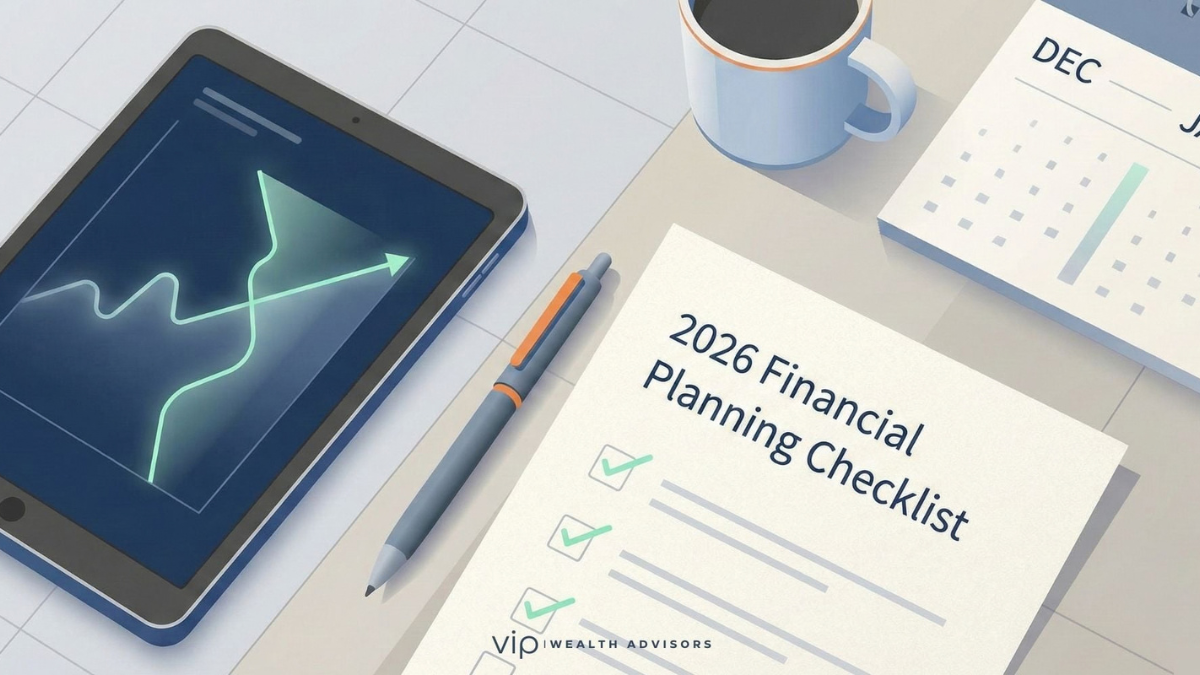
Launching and growing a business requires more than a great idea and determination. Without proper financial planning for entrepreneurs, even the most promising ventures can struggle to survive. Whether you’re a startup founder, small business owner, or serial entrepreneur, having a clear financial planning checklist can help you manage cash flow, reduce risks, and build a sustainable business.
Successful entrepreneurs understand that business growth and personal wealth creation go hand in hand. By following proven financial planning strategies, you can make informed decisions, improve profitability, and position your business for long-term success. This comprehensive guide outlines the essential financial planning checklist for entrepreneurs that every business owner should follow.
Why Financial Planning Matters for Entrepreneurs
Many businesses fail not because they lack customers, but because they lack proper financial management. Effective financial planning for entrepreneurs helps business owners understand where their money is coming from, where it is going, and how to allocate resources efficiently.
A strong financial foundation allows entrepreneurs to:
- Manage business expenses effectively
- Prepare for economic uncertainty
- Access funding opportunities
- Improve profitability
- Build long-term wealth
According to the U.S. Small Business Administration (SBA), maintaining accurate financial records and planning ahead are critical factors in business success. Learn more at https://www.sba.gov.
Following a structured financial planning checklist ensures that entrepreneurs stay focused on both immediate business needs and future growth opportunities.
Separate Personal and Business Finances
One of the first steps in financial planning for entrepreneurs is separating personal and business finances.
Mixing personal and business funds can create accounting complications, tax issues, and inaccurate financial reporting. Opening dedicated business bank accounts and using separate credit cards helps maintain financial clarity.
Benefits of separating finances include:
- Easier bookkeeping
- Improved tax preparation
- Better financial reporting
- Increased professionalism
- Simplified auditing processes
This simple step is often overlooked but remains one of the most important items on any financial planning checklist.
Create a Detailed Business Budget
A well-structured budget serves as the foundation of effective financial planning strategies.
Your business budget should include:
- Revenue projections
- Fixed expenses
- Variable costs
- Marketing expenses
- Payroll obligations
- Emergency reserves
Regularly reviewing your budget allows entrepreneurs to identify spending patterns and make necessary adjustments. Strong budgeting habits are essential components of successful financial planning for entrepreneurs.
The Consumer Financial Protection Bureau (CFPB) offers financial management resources that can help improve budgeting practices: https://www.consumerfinance.gov.
Build and Maintain a Cash Reserve
Cash flow challenges are among the leading causes of business failure. Every entrepreneur should prioritize building an emergency reserve as part of their financial planning checklist.
A business emergency fund can help cover:
- Unexpected operating expenses
- Equipment repairs
- Revenue shortfalls
- Economic downturns
- Market disruptions
Maintaining adequate reserves provides financial flexibility and reduces reliance on expensive debt during difficult periods.
Strong cash management remains one of the most effective financial planning strategies for business stability.
Monitor Cash Flow Regularly
Cash flow is the lifeblood of any business. Understanding how money moves through your organization is essential for successful financial planning for entrepreneurs.
Key cash flow practices include:
- Tracking incoming revenue
- Monitoring outgoing expenses
- Reviewing accounts receivable
- Managing accounts payable
- Forecasting future cash needs
Entrepreneurs who actively monitor cash flow are often better prepared to identify financial challenges before they become serious problems.
Including cash flow reviews in your financial planning checklist can significantly improve business performance.
Manage Business Debt Wisely
Debt can be a valuable tool for business growth when used responsibly. However, excessive borrowing can create financial strain and limit future opportunities.
Effective financial planning strategies require entrepreneurs to:
- Evaluate borrowing needs carefully
- Compare financing options
- Monitor interest rates
- Prioritize high-interest debt repayment
- Avoid unnecessary liabilities
The Federal Trade Commission (FTC) provides educational resources on managing business finances and credit responsibly: https://www.ftc.gov.
Proper debt management is an important element of any comprehensive financial planning checklist.
Plan for Taxes Throughout the Year
Tax planning should never be treated as a once-a-year activity. Instead, it should be integrated into ongoing financial planning for entrepreneurs.
Important tax considerations include:
- Tracking deductible expenses
- Maintaining organized records
- Making estimated tax payments
- Understanding local tax obligations
- Consulting qualified tax professionals
Proactive tax planning can help entrepreneurs reduce surprises, improve cash flow management, and maximize available deductions.
The Internal Revenue Service (IRS) offers extensive resources for business owners at https://www.irs.gov.
Including tax preparation in your financial planning checklist can prevent costly mistakes and penalties.
Invest in Business Growth Strategically
Growth is essential, but not every investment produces meaningful results. Successful financial planning strategies require careful evaluation of growth opportunities.
Potential growth investments may include:
- Marketing campaigns
- Technology upgrades
- Employee training
- Product development
- Business expansion initiatives
Before making significant investments, entrepreneurs should assess potential returns and ensure alignment with long-term business goals.
Strategic growth planning is a core aspect of effective financial planning for entrepreneurs.
Protect Your Business with Insurance
Risk management is often overlooked in many financial planning checklists, yet it plays a critical role in long-term business sustainability.
Depending on your industry, insurance coverage may include:
- General liability insurance
- Professional liability insurance
- Property insurance
- Cybersecurity coverage
- Workers’ compensation insurance
Adequate protection helps safeguard business assets and reduces financial exposure to unexpected events.
Risk management should always be part of your broader financial planning strategies.
Plan for Retirement as an Entrepreneur
Unlike traditional employees, entrepreneurs are responsible for creating their own retirement plans.
Many business owners focus heavily on business growth while neglecting personal financial security. Effective financial planning for entrepreneurs requires balancing business investments with long-term retirement savings.
Retirement planning options may include:
- Individual retirement accounts (IRAs)
- Self-employed retirement plans
- Diversified investment portfolios
- Dividend-producing assets
- Real estate investments
The U.S. Department of Labor provides retirement planning resources for self-employed individuals at https://www.dol.gov.
Including retirement preparation in your financial planning checklist ensures that your future financial needs are not overlooked.
Review Financial Goals Quarterly
A successful business environment is constantly changing. Therefore, entrepreneurs should regularly review and adjust their financial goals.
Quarterly reviews should assess:
- Revenue growth
- Profit margins
- Expense management
- Investment performance
- Business expansion progress
Regular reviews help ensure that your financial planning strategies remain aligned with current market conditions and long-term objectives.
Consistent evaluation is one of the most valuable habits in effective financial planning for entrepreneurs.
Final Thoughts
A strong financial planning checklist can be the difference between business success and financial uncertainty. Entrepreneurs who prioritize financial planning for entrepreneurs gain greater control over their finances, improve decision-making, and increase their chances of long-term growth.
From budgeting and cash flow management to tax planning, debt control, and retirement preparation, these essential financial planning strategies provide a roadmap for building both a successful business and lasting personal wealth.
By implementing this checklist and reviewing it regularly, entrepreneurs can strengthen their financial position, navigate challenges with confidence, and create a foundation for sustainable success.
Helpful Resources

- U.S. Small Business Administration (SBA): https://www.sba.gov
- Consumer Financial Protection Bureau (CFPB): https://www.consumerfinance.gov
- Internal Revenue Service (IRS): https://www.irs.gov
- Federal Trade Commission (FTC): https://www.ftc.gov
- U.S. Department of Labor: https://www.dol.gov
You may like
Living from one payday to the next can feel like running on a financial treadmill. No matter how hard you work, there never seems to be enough money left at the end of the month. The good news is that learning How to Escape the Paycheck-to-Paycheck Cycle is possible with the right strategy and financial discipline. By making a few intentional changes, you can start building savings, reducing stress, and creating long-term financial stability.
Understand Why You’re Stuck
The first step in How to Escape the Paycheck-to-Paycheck Cycle is understanding what’s causing it. For some people, the problem is low income. For others, it’s uncontrolled spending, debt, or a lack of budgeting. According to the Consumer Financial Protection Bureau (CFPB), tracking your income and expenses is one of the most effective ways to gain control over your finances.
Take a close look at your bank statements and spending habits. You may discover recurring expenses or impulse purchases that are quietly draining your income every month.
Create a Realistic Budget
A key part of How to Escape the Paycheck-to-Paycheck Cycle is creating a budget that reflects your actual lifestyle. Start by listing your monthly income and fixed expenses such as rent, transportation, utilities, and food.
The popular 50/30/20 budgeting rule can help:
- 50% for necessities
- 30% for wants
- 20% for savings and debt repayment
Financial education resources from Investopedia provide useful budgeting frameworks that can help you stay on track.
Build an Emergency Fund
One of the biggest obstacles to How to Escape the Paycheck-to-Paycheck Cycle is unexpected expenses. A car repair, medical bill, or home emergency can instantly disrupt your finances if you don’t have savings.
Start small by setting aside a portion of every paycheck. Even saving a modest amount consistently can help create a financial cushion. The goal is to eventually build an emergency fund capable of covering three to six months of essential expenses.
Eliminate High-Interest Debt
Credit card balances and high-interest loans can make How to Escape the Paycheck-to-Paycheck Cycle much more difficult. A large portion of your income may be going toward interest payments rather than improving your financial position.
Focus on paying off the most expensive debt first while continuing to make minimum payments on other obligations. Information from the Federal Trade Commission (FTC) offers guidance on debt management and avoiding financial traps.
Increase Your Income
Sometimes budgeting alone isn’t enough. A powerful strategy for How to Escape the Paycheck-to-Paycheck Cycle is increasing your earning potential. Consider:
- Freelancing
- Consulting
- Online businesses
- Part-time work
- Selling digital products
- Learning high-income skills
Additional income streams can accelerate debt repayment, boost savings, and provide greater financial flexibility.
Automate Savings and Bills
Automation is one of the simplest tools for How to Escape the Paycheck-to-Paycheck Cycle. Set up automatic transfers to your savings account each payday before you have the chance to spend the money.
Likewise, automating bill payments can help you avoid late fees and maintain a better financial routine. Small automated habits often lead to significant financial improvements over time.
Avoid Lifestyle Inflation
As your income grows, it can be tempting to upgrade your lifestyle immediately. However, resisting lifestyle inflation is essential when learning How to Escape the Paycheck-to-Paycheck Cycle.
Instead of increasing spending every time you receive a raise or bonus, direct a portion of that extra income toward savings, investments, or debt reduction. This strategy helps you build wealth rather than simply increasing expenses.
Focus on Long-Term Financial Goals
The final step in How to Escape the Paycheck-to-Paycheck Cycle is creating clear financial goals. Whether you want to buy a home, start a business, invest for retirement, or build generational wealth, having a target keeps you motivated.
Resources from MyMoney.gov can help you develop financial plans and improve money management skills.
Final Thoughts
Learning How to Escape the Paycheck-to-Paycheck Cycle doesn’t happen overnight, but every small step matters. By creating a budget, reducing debt, building savings, increasing income, and avoiding unnecessary spending, you can gradually gain control over your finances.
The journey to financial freedom begins with consistent action. If you stay committed to the principles of How to Escape the Paycheck-to-Paycheck Cycle, you’ll be well on your way to greater financial security, less stress, and a brighter future.
Business
How to Create a Monthly Budget with Income: A Simple Guide to Financial Success
Published
3 weeks agoon
June 19, 2026
Managing your money effectively starts with understanding How to Create a Monthly Budget with Income. Whether you’re earning a fixed salary, running a business, or working freelance, having a clear budget helps you stay in control of your finances, reduce stress, and achieve your financial goals. Learning How to Create a Monthly Budget with Income can help you make smarter decisions and avoid living paycheck to paycheck.
Why How to Create a Monthly Budget with Income Matters
One of the biggest reasons people struggle financially is the lack of a spending plan. Understanding How to Create a Monthly Budget with Income allows you to see exactly where your money is coming from and where it is going. According to the Consumer Financial Protection Bureau, budgeting is one of the most effective ways to improve financial health and prepare for unexpected expenses.
When you know How to Create a Monthly Budget with Income, you gain greater control over your spending habits, savings goals, and debt management. A well-planned budget can help you build wealth over time while reducing financial anxiety.
Calculate Your Total Monthly Income
The first step in How to Create a Monthly Budget with Income is determining your total monthly earnings. Include all sources of income such as:
- Salary or wages
- Freelance earnings
- Business income
- Rental income
- Side hustles
- Investment income
If your income fluctuates monthly, use the average amount earned over the last six months. The Internal Revenue Service (IRS) recommends keeping accurate records of all income sources for effective financial planning and tax reporting.
List All Monthly Expenses
A key part of How to Create a Monthly Budget with Income is identifying your expenses. Divide them into fixed and variable categories.
Fixed Expenses
- Rent or mortgage
- Insurance
- Loan payments
- Internet and subscriptions
Variable Expenses
- Food and groceries
- Transportation
- Entertainment
- Shopping
- Utilities
Tracking expenses helps you identify unnecessary spending and create opportunities to save more money. Understanding How to Create a Monthly Budget with Income means knowing exactly where every dollar goes.
Use the 50/30/20 Budget Rule
Many financial experts recommend the 50/30/20 rule when learning How to Create a Monthly Budget with Income.
- 50% for necessities
- 30% for wants
- 20% for savings and debt repayment
This budgeting method provides a simple framework for managing money without becoming overly restrictive. Resources from Investopedia offer additional insights into implementing this popular budgeting strategy.
Prioritize Savings First
An important principle of How to Create a Monthly Budget with Income is paying yourself first. Before spending on non-essential items, set aside money for:
- Emergency funds
- Retirement savings
- Investments
- Major future purchases
Financial experts generally recommend building an emergency fund that can cover three to six months of living expenses. Consistent saving is one of the fastest ways to improve long-term financial stability.
Monitor and Adjust Your Budget
Creating a budget is not a one-time task. To truly master How to Create a Monthly Budget with Income, review your budget regularly. Track spending weekly and compare it to your budget goals.
If you notice overspending in certain categories, make adjustments for the following month. Budgeting tools offered by organizations such as Federal Reserve Bank of St. Louis – Econ Lowdown can help improve financial literacy and money management skills.
Use Budgeting Apps and Tools
Technology makes How to Create a Monthly Budget with Income easier than ever. Popular budgeting apps can automatically track spending, categorize transactions, and provide financial insights. These tools help you stay accountable and ensure your budget remains accurate throughout the month.
Many people find that digital budgeting reduces errors and makes financial planning more convenient.
Final Thoughts
Learning How to Create a Monthly Budget with Income is one of the most important financial skills you can develop. By calculating your income, tracking expenses, following a budgeting framework, prioritizing savings, and reviewing your finances regularly, you can take control of your money and build a more secure future.
The key to success with How to Create a Monthly Budget with Income is consistency. Even small budgeting improvements can lead to significant financial progress over time, helping you achieve both short-term and long-term financial goals.
Business
Dangote Plans Massive Industrial Free Trade Zone in Ondo
Published
4 weeks agoon
June 15, 2026
The President of Dangote Group, Aliko Dangote, has announced plans to build what could become Nigeria’s largest industrial-focused free trade zone in Olokola, Ondo State. The proposed project aims to create a fully serviced manufacturing hub where investors can operate with access to reliable power, water, gas infrastructure, and logistics support.
Key Features of the Olokola Project
Dedicated power supply The zone will include its own power generation facilities to reduce dependence on Nigeria’s unreliable national grid.
Manufacturing-focused infrastructure
Roads, water systems, and industrial facilities are planned to allow businesses to “plug in” quickly.
The Ondo State government is expected to have representation on the project’s board to facilitate coordination and implementation.
Why the Project Matters
Dangote described Nigeria’s power shortage as one of the biggest barriers to industrial growth over the past three decades. Many manufacturers currently generate their own electricity, which raises production costs and limits expansion.
By embedding reliable power and infrastructure directly into the free trade zone, the project seeks to remove common business bottlenecks and attract local and foreign manufacturers.
Expected Economic Impact
Job creation
Large-scale employment opportunities are expected during construction and operation.
The zone is designed to attract manufacturers and related businesses.
Officials expect increased exports similar to outcomes from major industrial projects in Lagos.
Ondo State and neighboring areas could benefit from increased economic activity.
Ondo State’s Role
Governor Lucky Aiyedatiwa welcomed the initiative and said it aligns with the state’s industrialization agenda. He highlighted Ondo’s strategic location along the Lagos–Calabar Coastal Highway corridor, as well as the state’s deep seaport license and limestone deposits, which could support future industrial projects such as cement production.
The state government has also established a technical committee to work with Dangote Group on legal, land, community, and operational issues.
Project Timeline
According to Dangote, contractors are expected to mobilize to the site within three to four months, with major construction targeted to begin in the last quarter of the year.
What is the main purpose of the Olokola free trade zone project?
Which major infrastructure challenge did Dangote identify as a barrier to industrial growth in Nigeria?
What additional energy infrastructure is planned to support industries in the zone?
Why does Ondo State consider the project strategically important?
Answers
To create a fully serviced industrial and manufacturing hub that attracts investors.
Unreliable electricity supply.
An east-west gas corridor.
Because it supports the state’s industrialization agenda and leverages its strategic location and seaport advantages.
Rising From the Ashes: How Misty Copeland Danced Through Broken Bones for ‘Firebird’
When Family Money Helps or Hurts: The Real Impact of Financial Support on Your Future
From Undrafted to $185M: Austin Reaves Secures the Bag with the Lakers
The Costly Impact of Financial Stress in Today’s World
Teeth Whitening: A Look into Its Safety and Efficiency