Connect with us

Politics

Trump Confirms NATO Summit Trip as Alliance Tensions Rise

Published

on

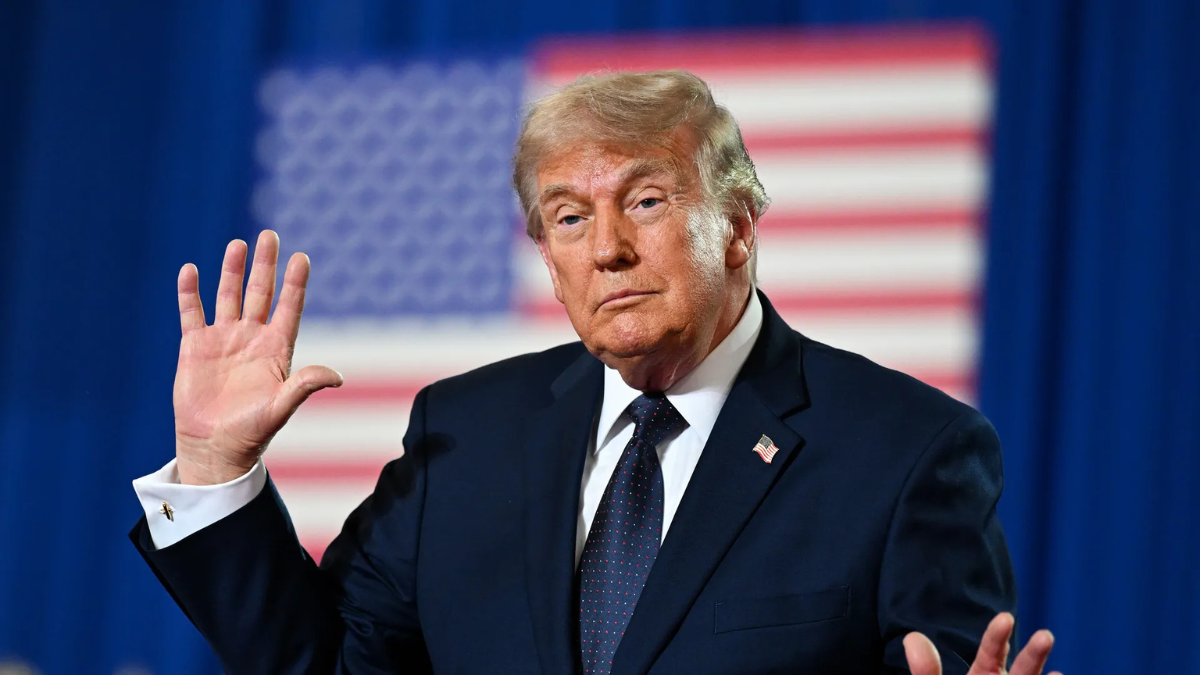
The upcoming NATO leaders’ summit in Turkey has taken on added geopolitical significance after confirmation that U.S. President Donald Trump will attend, easing concerns among European allies amid rising uncertainty over the future of the NATO alliance and U.S. commitment to European security.

The announcement comes at a time of heightened tension within the Transatlantic security partnership, as disagreements over defense spending, military engagement, and global conflicts continue to test relations between Washington and its European partners.

Trump’s Attendance Calms NATO Concerns

Confirmation of Donald Trump’s participation in the NATO summit has been welcomed by European officials who had grown increasingly anxious about the United States’ long-term commitment to the alliance.

The summit, set to take place in Turkey, is expected to focus heavily on defense strategy, burden-sharing, and the evolving security challenges facing the NATO alliance in a rapidly changing global environment.

Trump’s relationship with NATO has often been contentious, with repeated criticism of member states for what he describes as insufficient defense spending contributions. His earlier threats to reconsider or withdraw U.S. involvement had raised concerns about the stability of the Transatlantic security framework.

More information about the alliance can be found on the official NATO Official Website.

Strains Within the Transatlantic Alliance

Despite the confirmed attendance, tensions within the NATO alliance remain high. Washington has increasingly expressed frustration over the level of involvement by European members in global security conflicts, particularly in relation to recent military escalations involving Iran.

At the same time, European officials have voiced concern over shifting U.S. defense priorities, especially as discussions continue around the potential reduction of American troop presence in Europe.

A former NATO secretary general warned that managing Transatlantic relations has become significantly more difficult, reflecting growing divisions over strategic priorities and long-term defense commitments within the alliance.

Learn more about NATO’s structure and mission through the NATO Structure Overview.

US Military Presence in Europe Under Review

One of the most sensitive issues shaping the current NATO alliance tensions is the reported consideration by Washington to reduce its military footprint in Europe.

According to discussions within defense circles, the United States has been exploring plans to accelerate the withdrawal of some troops from European bases. Such a move would mark a significant shift in the Transatlantic security balance, which has historically relied on strong U.S. military presence across Europe.

European allies fear that a reduced American presence could weaken NATO’s deterrence capability, particularly in response to emerging security threats from rival global powers.

For official U.S. defense information, visit the U.S. Department of Defense.

Nuclear Strategy Discussions Within NATO

Adding further complexity to the NATO alliance debate are reports that Washington has been discussing the potential deployment of nuclear weapons in additional NATO member states.

These discussions are reportedly aimed at reinforcing deterrence capabilities and ensuring that any reduction in conventional U.S. forces does not undermine broader security guarantees within the Transatlantic alliance.

While details remain limited, such a move would represent a significant escalation in NATO’s strategic posture and could reshape nuclear deterrence policies across Europe.

More on nuclear policy and global security frameworks can be found via the International Atomic Energy Agency (IAEA).

Iran Conflict Adds Pressure to NATO Relations

The ongoing geopolitical tensions surrounding Iran have further complicated NATO alliance dynamics, with disagreements emerging over how directly member states should be involved in potential conflict scenarios.

President Trump has previously criticized NATO members for reluctance to participate in military actions related to the Iran conflict, arguing that collective defense obligations should extend beyond Europe’s borders.

These differences highlight deeper divisions within the Transatlantic security alliance, particularly regarding the scope of NATO’s global responsibilities versus its traditional defensive role in Europe.

European Fears Over Alliance Stability

European officials continue to express concern about the long-term stability of the NATO alliance, especially as U.S. foreign policy priorities appear to shift toward domestic and regional interests.

The possibility of reduced American engagement in Europe has prompted discussions among European Union leaders about increasing defense spending and strengthening independent military capabilities.

However, building a fully autonomous European defense structure remains a complex and politically sensitive issue, as most member states still rely heavily on the Transatlantic security partnership for military coordination and strategic deterrence.

Learn more about European defense initiatives through the European Defence Agency.

Balancing Commitment and Strategic Independence

The current debate within the NATO alliance reflects a broader challenge: balancing shared defense commitments with evolving national interests among member states.

While the United States remains NATO’s most powerful military contributor, its fluctuating engagement has prompted allies to reconsider their own defense strategies and investment levels.

At the same time, Washington’s willingness to explore new strategic options, including troop adjustments and nuclear deployments, signals a shift toward a more flexible but potentially less predictable Transatlantic security framework.

What the NATO Summit Could Decide

The upcoming NATO summit in Turkey is expected to be a critical moment for the future of the NATO alliance. Leaders will likely address troop deployments, defense spending targets, nuclear strategy, and the broader direction of the Transatlantic security partnership.

With tensions already running high, the summit could either reinforce unity among member states or expose deeper divisions within the alliance.

President Trump’s participation ensures that these debates will take place at the highest political level, making the summit one of the most closely watched international gatherings of the year.

As global security challenges continue to evolve, the future of the NATO alliance will depend on how effectively its members can adapt to shifting geopolitical realities while maintaining collective defense commitments.

Continue Reading
Click to comment

Leave a Reply

Your email address will not be published. Required fields are marked *

Politics

Choking the Network: Nigeria Backs Global Crackdown on Terror Cash

Published

on

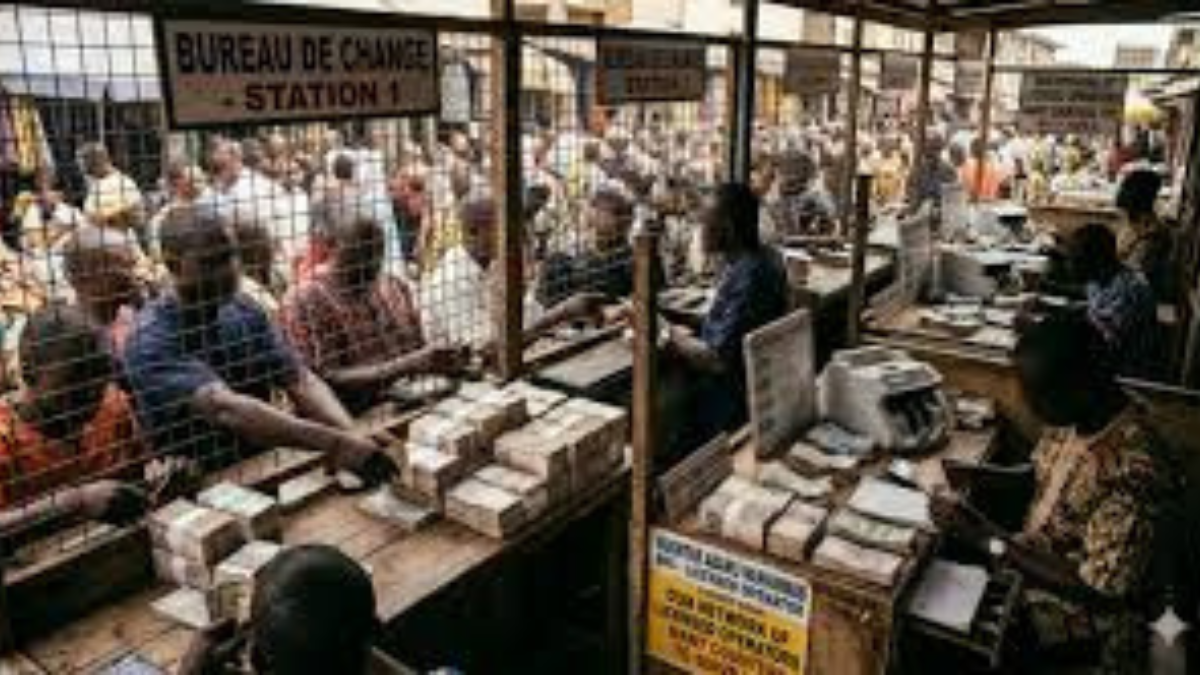
The Federal Government of Nigeria has fully endorsed a sweeping international operation aimed at dismantling illicit financial networks. In a coordinated security push, Nigeria’s Sanctions Committee explicitly praised the decision of the United States Office of Foreign Assets Control (OFAC) to sanction a Lagos-based Bureau De Change (BDC) operator and three linked exchange firms. By synchronizing efforts with global allies, the government is intensifying its campaign to disrupt terrorism financing in Nigeria through rogue currency operations.

The recent international dragnet targeted Mukhtar Muhammad Adamu and several shell companies, including Generation Currency BDC and Nine to Nine Exchange BDC. These operators allegedly served as vital monetary conduits for the Islamic State West Africa Province (ISWAP), a brutal splinter faction of Boko Haram. Both local and international intelligence agencies have identified this specific network as a primary mechanism used to bypass standard banking oversight. Consequently, global agencies are coordinating aggressively to disrupt terrorism financing in Nigeria before these illicit funds can reach conflict zones in the North-East and the Lake Chad Basin.

To ensure compliance with the asset freeze, domestic financial regulators have issued an immediate directive to all commercial banks and legal financial entities. Financial institutions must immediately identify, freeze, and report any funds or assets associated with the blacklisted individuals. These aggressive administrative measures form a core pillar of the state’s comprehensive national security strategy. The Central Bank of Nigeria maintains that tightening regulatory loopholes for currency dealers remains the fastest way to disrupt terrorism financing in Nigeria.

Looking ahead, authorities emphasize that cleaning up the parallel foreign exchange market is a long-term economic and security priority. By working alongside international regulatory bodies like the US Department of the Treasury, Nigeria intends to permanently block back-channel funding paths used by extremist cells. Security experts agree that while physical counter-insurgency is necessary, starving these networks of their liquid resources remains the single most effective method to disrupt terrorism financing in Nigeria and restore lasting stability to the region.

Verified References for Deep-Diving

To read more about the ongoing policy changes, regional security briefs, or specific sanctions lists, explore the official records available through the Nigeria Sanctions Committee data portal.

For a broadcast overview of the local security and enforcement landscape, this TVC News broadcast overview details how the Federal Government previously deployed asset freezes against high-profile financing networks across the country

Continue Reading

Politics

Court of Appeal suspends deregistration of ADC and other parties

Published

on

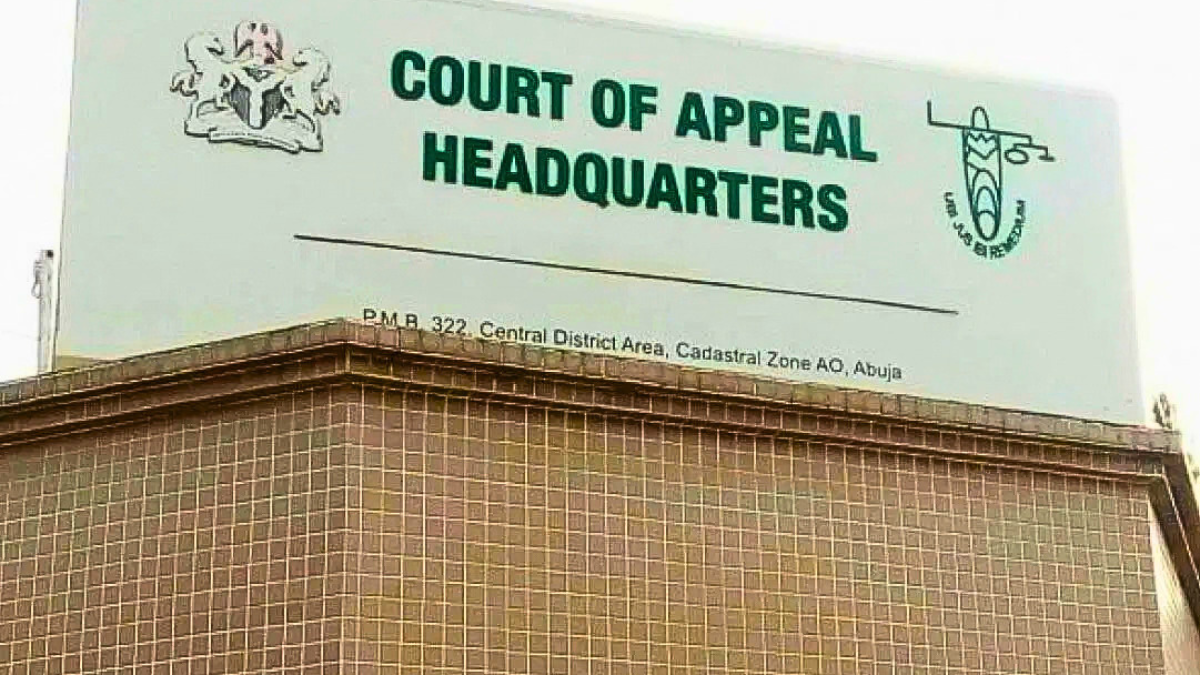
Nigeria’s political landscape witnessed another dramatic twist after the Court of Appeal halted the enforcement of a Federal High Court judgment that ordered the deregistration of the African Democratic Congress (ADC) and four other political parties. The development has sparked intense debate across the country, with many political observers viewing it as a major victory for opposition parties. The phrase Court of Appeal suspends deregistration of ADC and other parties quickly became one of the most discussed political stories in Nigeria.

How the Controversy Began

The controversy started when a Federal High Court in Abuja directed the Independent National Electoral Commission (INEC) to deregister five political parties for allegedly failing to meet constitutional requirements for continued registration. The affected parties included the African Democratic Congress (ADC), Accord Party, Action Alliance (AA), Action Peoples Party (APP), and Zenith Labour Party (ZLP). The court held that the parties failed to meet electoral performance thresholds required by law.

Following the judgment, concerns immediately emerged about the future of opposition politics in Nigeria. Many argued that the ruling could significantly reshape the political landscape ahead of upcoming elections. As a result, the headline Court of Appeal suspends deregistration of ADC and other parties attracted widespread public attention.

Appeal Court Steps In

Barely 24 hours after the controversial ruling, the Court of Appeal intervened and ordered a stay of execution on the judgment. In a unanimous decision, a three-member panel of the appellate court suspended the enforcement of the deregistration order pending the determination of the substantive appeal. This means the affected parties will remain legally recognized until the appeal is concluded. The decision reinforced the significance of the story Court of Appeal suspends deregistration of ADC and other parties.

The appellate court also criticized the trial judge for proceeding with the judgment despite an earlier Court of Appeal order that had halted further proceedings in the case. According to reports, the appellate court described the action as a disregard for judicial authority and emphasized the need for lower courts to respect existing orders from higher courts.

Why the Decision Matters

The ruling is particularly important because it affects the political future of several opposition parties ahead of major elections. Had the deregistration order remained in force, candidates contesting under the affected platforms could have faced automatic disqualification from future elections. The decision that Court of Appeal suspends deregistration of ADC and other parties therefore provides temporary relief to both party leaders and their supporters.

Political analysts believe the appellate court’s intervention helps preserve political competition while the legal issues are fully resolved. It also prevents confusion among voters and electoral stakeholders who may have been affected by the sudden deregistration order.

Reactions from ADC and Other Parties

Leaders of the affected political parties welcomed the appellate court’s decision. The ADC, in particular, had earlier rejected the Federal High Court judgment, describing it as unconstitutional and politically troubling. Party officials insisted they would challenge the ruling through all available legal channels. The latest development, where the Court of Appeal suspends deregistration of ADC and other parties, has strengthened their confidence in the judicial process.

Several opposition figures also argued that removing political parties from the electoral system could weaken democratic participation. They maintained that all registered parties should be allowed to compete fairly while disputes are resolved through the courts.

What Happens Next?

The Court of Appeal has indicated that it will continue hearing the substantive appeal in the coming days. Until a final judgment is delivered, INEC cannot implement the deregistration order. Consequently, the affected parties remain on the electoral register and retain their legal status. This means the story Court of Appeal suspends deregistration of ADC and other parties is far from over and could continue to shape political discussions in the months ahead.

Legal experts say the final outcome could have long-term implications for how political party registration and deregistration are handled in Nigeria. The case may also influence future interpretations of constitutional provisions governing political parties and electoral participation.

Final Thoughts

The decision by the appellate court has temporarily halted what could have been one of the most significant political shake-ups in recent Nigerian history. By ordering a stay of execution, the court ensured that the affected parties remain active while the legal battle continues. As political stakeholders await the next hearing, Court of Appeal suspends deregistration of ADC and other parties remains a major story with potentially far-reaching consequences for Nigeria’s democracy and electoral future.

Continue Reading

Politics

MFM Suspends Overnight Vigils Over Security Fears

Published

on

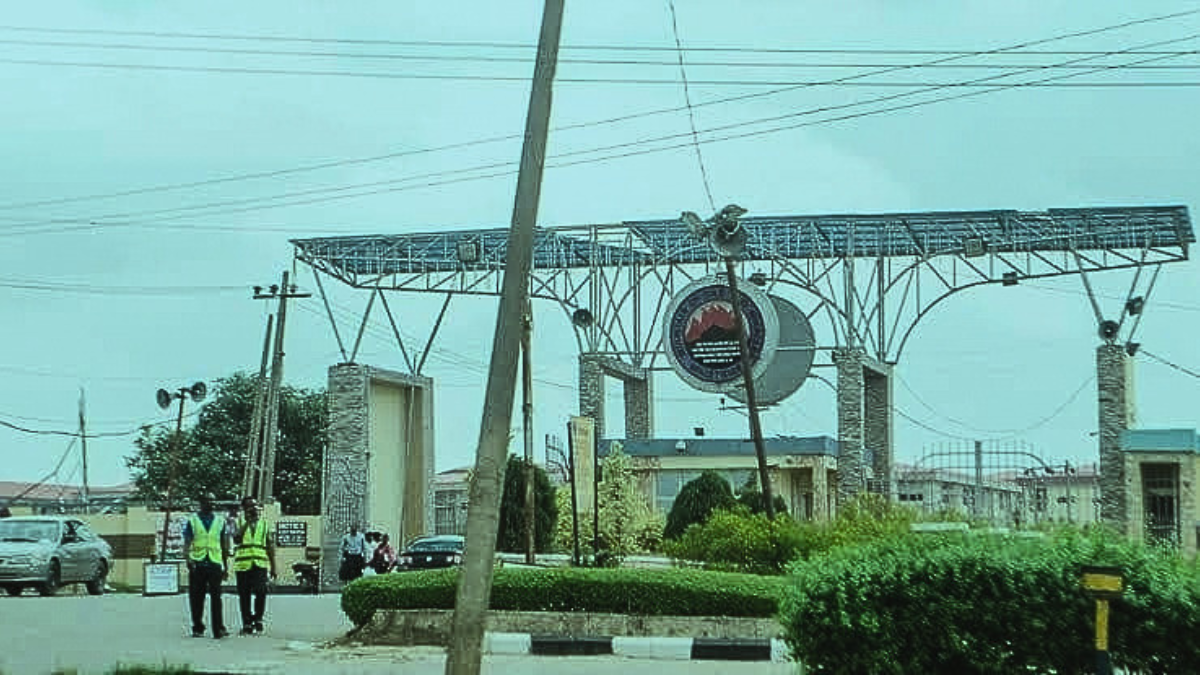
The Mountain of Fire and Miracles Ministries (MFM) has announced the suspension of all overnight vigils nationwide, citing the worsening security situation in Nigeria. The church has also directed that all services, meetings, and programmes across its branches must end by 8:00 p.m. until further notice.

The decision underscores growing concerns about insecurity in Nigeria, which has increasingly affected religious gatherings, community events, schools, and businesses across various parts of the country.

MFM Introduces New Worship Guidelines

According to an official circular issued by Mountain of Fire and Miracles Ministries, all church activities at every level of the ministry must conclude no later than 8:00 p.m.

The directive, which took immediate effect, was communicated to Regional Overseers, branch pastors, and ministry leaders nationwide. The new policy affects all branches, zones, and regions under the MFM church network.

Under the revised guidelines, any programme that would traditionally extend into the night must now be adjusted to fit within the approved timeframe. This means that regular church services, special meetings, and other ministry activities must comply with the new closing time.

For more information about the ministry, readers can visit the official Mountain of Fire and Miracles Ministries Website.

Overnight Vigils Suspended Indefinitely

One of the most significant changes announced by the church is the indefinite suspension of all MFM overnight vigils and late-night prayer meetings.

Overnight vigils have long been a central part of worship within many Pentecostal churches in Nigeria, including MFM. These gatherings often involve extended periods of prayer, worship, and spiritual activities that continue through the night.

However, in response to rising security concerns in Nigeria, church leadership has decided that such programmes should be temporarily halted. Where prayer meetings remain necessary, congregations have been instructed to convert them into evening sessions that conclude on or before 8:00 p.m.

The decision reflects a growing trend among institutions adopting precautionary measures to ensure public safety amid ongoing security challenges.

Church Explains Reason for Decision

The circular was signed by Temitope A. Olawale, Director of Administration for MFM International Headquarters and Nigeria.

According to the statement, the suspension of overnight vigils is purely a preventive measure designed to protect members and church workers from potential security risks.

Church leaders emphasized that the directive was not motivated by doctrinal changes but by the need to prioritize the safety and well-being of worshippers.

The statement noted that the decision was taken in light of the prevailing security situation in Nigeria, which continues to generate concern among religious organizations and community leaders.

Updates on national security matters can be accessed through the Nigeria Police Force Official Website.

Implementation Across All Branches

The new MFM security directive applies to all church branches nationwide. Regional leaders have been instructed to ensure immediate implementation and strict compliance within their jurisdictions.

The ministry specifically directed Mega Regional Overseers to monitor adherence to the guidelines and ensure that local branches fully comply with the new operational schedule.

Copies of the circular were distributed to key leadership offices and ministry departments, including administrative units, youth ministries, women’s ministries, and other church organizations.

This broad distribution highlights the seriousness with which the church is approaching the issue of worship safety in Nigeria.

Growing Concerns About Insecurity in Nigeria

The decision by Mountain of Fire and Miracles Ministries comes amid increasing concerns about insecurity in Nigeria, including incidents of kidnapping, armed attacks, and violence affecting communities in different parts of the country.

Religious organizations have not been immune to these challenges. Many churches and faith-based groups have reviewed their security procedures in recent years to better protect worshippers attending services and special events.

By limiting activities to daylight and early evening hours, MFM hopes to reduce exposure to potential risks while allowing members to continue participating in church programmes safely.

Balancing Worship and Safety

While the suspension of MFM overnight vigils may disappoint some members who value late-night prayer gatherings, church leaders maintain that protecting lives must remain the priority.

The ministry expressed confidence that members would cooperate with the directive and continue participating in adjusted worship schedules. It also encouraged believers to remain prayerful while observing the new guidelines.

As concerns over security challenges in Nigeria continue, the decision by MFM highlights how religious institutions are adapting their operations to safeguard congregants without disrupting their core mission of worship and spiritual development.

Continue Reading

Trending

Copyright © 2026 THE PAGEMANN MAGAZINE.